Social Media
Who Owns TikTok in the U.S.—and Why It Still Matters
TikTok’s U.S. operations remain owned by ByteDance, a China-based company, despite ongoing oversight and restructuring efforts. That ownership structure continues to drive regulatory and political scrutiny in Washington. Few consumer apps have generated as much sustained political attention as TikTok. Years after it became a cultural force in the United States, the question of who […]
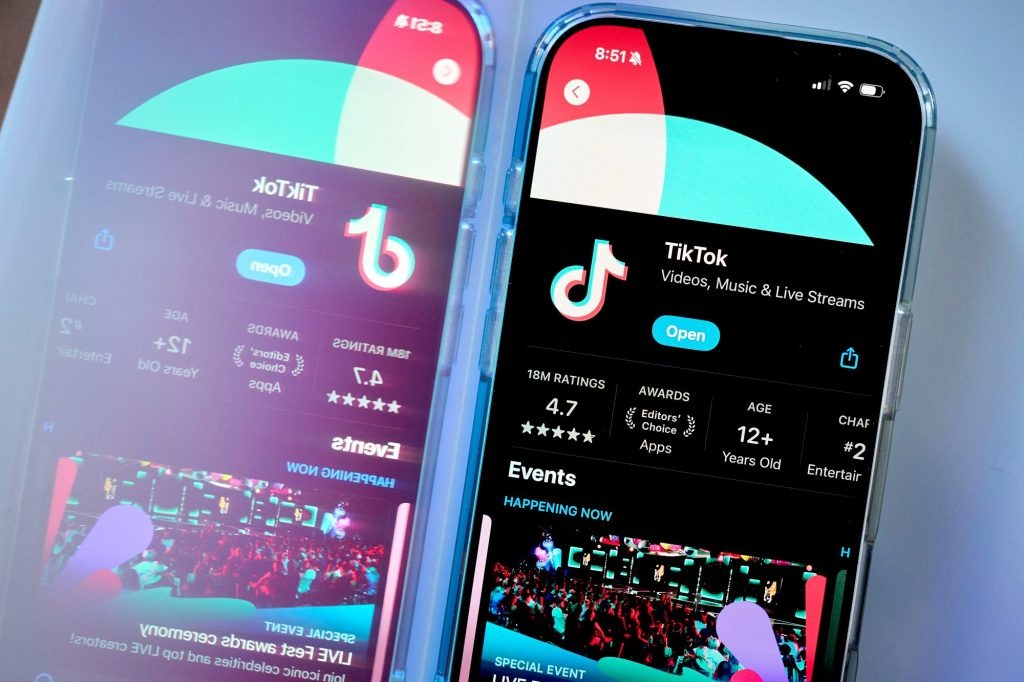
TikTok’s U.S. operations remain owned by ByteDance, a China-based company, despite ongoing oversight and restructuring efforts. That ownership structure continues to drive regulatory and political scrutiny in Washington.
Few consumer apps have generated as much sustained political attention as TikTok. Years after it became a cultural force in the United States, the question of who ultimately controls the platform remains central to debates over data security, foreign influence, and platform governance.
At the core of the issue is ownership. TikTok’s U.S. business is still owned by ByteDance, a privately held firm headquartered in China. While TikTok operates globally, that corporate structure has never fundamentally changed—despite prolonged negotiations and multiple regulatory interventions.
How TikTok’s ownership is structured
TikTok is a subsidiary of ByteDance, which is incorporated in China but has a complex global shareholder base that includes international investors. ByteDance insists that TikTok operates independently and that U.S. user data is protected through localized storage and access controls.
However, U.S. policymakers have consistently argued that ownership, not just operations, determines risk. Chinese national security laws, they contend, could theoretically compel ByteDance to cooperate with government data requests—regardless of internal safeguards.
This legal ambiguity has kept the platform under scrutiny across multiple administrations.
Attempts to separate U.S. operations
Over the years, the platform has explored various mechanisms to distance its U.S. business from its Chinese parent, including oversight boards, data-localization projects, and third-party monitoring.
These efforts have focused on reducing perceived risk without fully divesting ownership. A complete sale of TikTok’s U.S. operations has been discussed repeatedly but has never materialized, in part due to valuation, complexity, and geopolitical tension.
As a result, TikTok exists in a gray zone: operationally American in many respects, but structurally foreign-owned.
Why ownership still drives regulation
From a regulatory standpoint, the platform’s scale magnifies concern. The app is used by tens of millions of Americans, including minors, and plays a significant role in media consumption, commerce, and political discourse.
Lawmakers worry not only about data access, but about algorithmic influence—how content is ranked, amplified, or suppressed. Ownership matters because it defines who ultimately controls those systems.

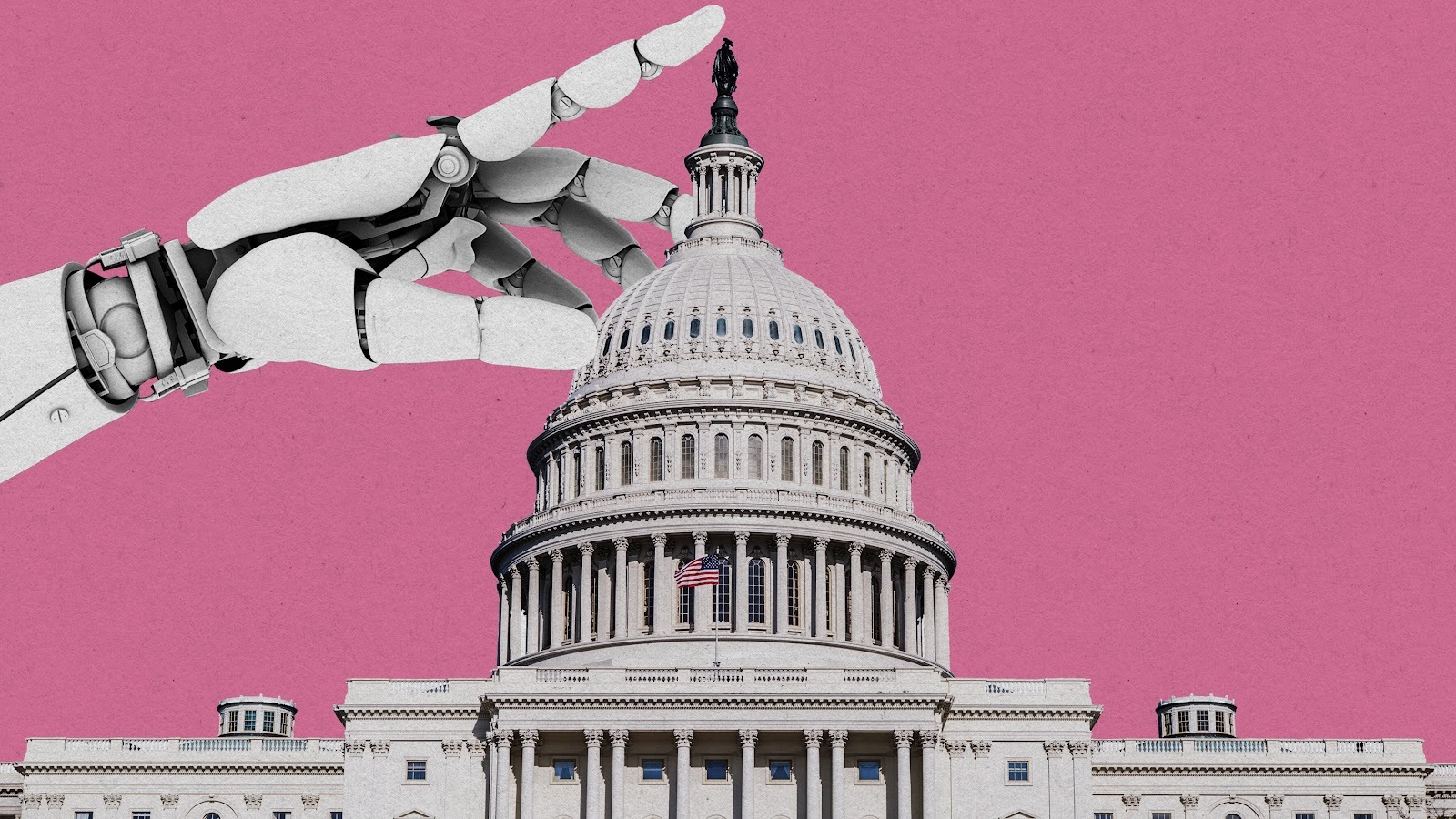
That concern has translated into legislative proposals, court challenges, and ongoing executive-branch review, keeping TikTok’s status in flux.
The business impact of uncertainty
For advertisers, creators, and partners, TikTok’s unresolved ownership question introduces long-term risk. Brands continue to invest heavily in the platform, but contingency planning has become routine.
Creators, meanwhile, increasingly diversify across platforms to hedge against potential disruption. The uncertainty has not slowed the platform’s growth dramatically, but it has shaped how the ecosystem behaves.
From TikTok’s perspective, maintaining momentum while navigating political headwinds has become a core operational challenge.
A broader signal for global tech
TikTok’s situation reflects a larger shift in how governments view global technology platforms. Ownership, once a secondary concern, is now central to regulatory strategy—particularly when platforms operate across geopolitical fault lines.
The outcome of its U.S. ownership debate will likely influence how future cross-border tech companies structure themselves from the outset.
For now, the status quo holds. The platform remains enormously popular, legally contested, and politically sensitive—an app whose ownership structure ensures it will stay in the spotlight well beyond the current news cycle.