Gadgets
Latest Google Pixel Hits Lowest-Ever Price, Driving Rapid Sell-Outs
The smartphone market is rarely quiet, but price drops on flagship devices tend to get immediate attention. That is exactly what is happening right now with the latest Google Pixel smartphone, which has fallen to its lowest price since launch. Retailers across multiple regions are reporting rapid sell-outs, with demand far exceeding expectations. The sudden […]

The smartphone market is rarely quiet, but price drops on flagship devices tend to get immediate attention. That is exactly what is happening right now with the latest Google Pixel smartphone, which has fallen to its lowest price since launch. Retailers across multiple regions are reporting rapid sell-outs, with demand far exceeding expectations.
The sudden surge in interest is not accidental. The Pixel line has built a reputation for offering a clean Android experience, long-term software support, and industry-leading camera performance. When those features are combined with a deep price cut, the result is a compelling proposition for buyers who may have been sitting on the fence.
This development also reflects wider shifts in the smartphone industry, where aggressive pricing has become a key lever to move inventory and capture attention in a crowded market.

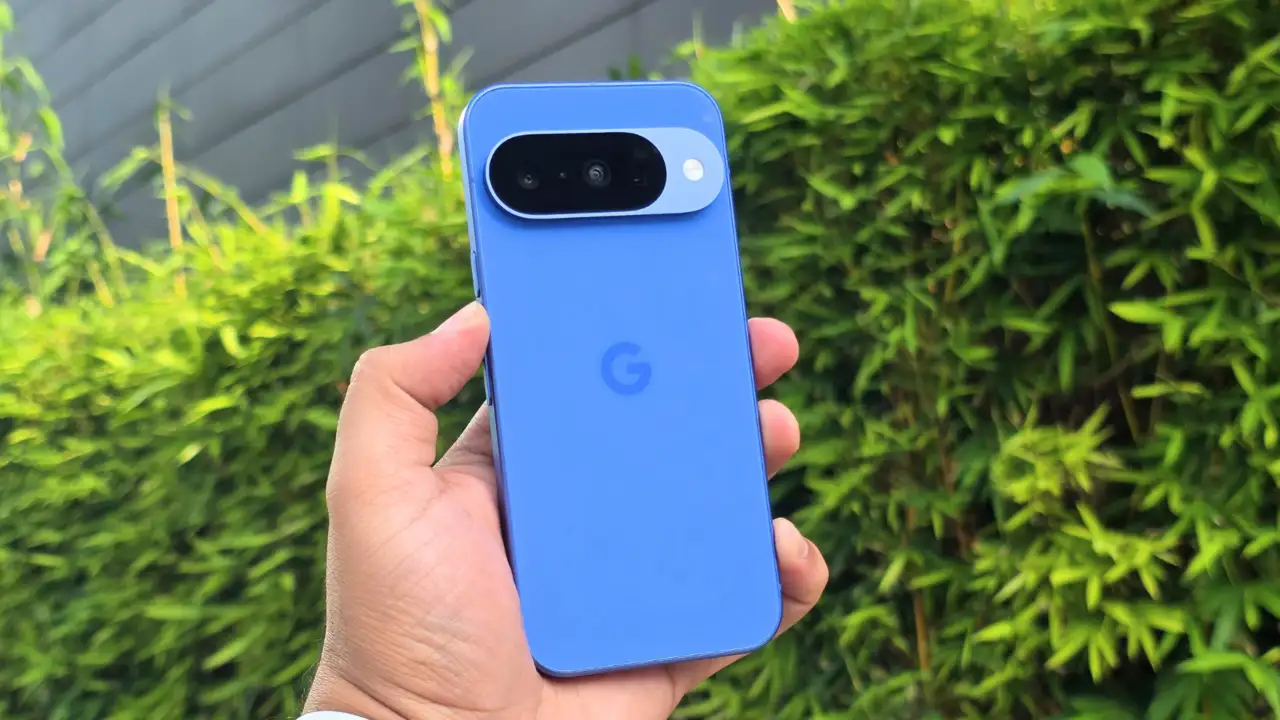
Why the Latest Google Pixel Is Attracting So Much Attention
The Pixel series has always occupied a unique position in the Android ecosystem. Unlike most Android manufacturers, Google controls both the hardware and the software, allowing tighter integration and faster updates.
The latest Pixel model continues that tradition. It offers Google’s custom-designed Tensor chipset, advanced AI-driven features, and camera software that consistently ranks among the best in its class. For many users, Pixel phones represent the purest form of Android.
What has changed is the price. Dropping to a record low has suddenly made the device accessible to a much wider audience, including buyers who typically opt for mid-range phones.
The Role of Pricing in a Saturated Smartphone Market
Smartphone innovation has slowed in recent years. Annual upgrades are increasingly incremental, and many consumers are holding onto their devices for longer. This has forced manufacturers to rethink pricing strategies.
For Google, aggressive discounting on the Pixel serves multiple purposes. It helps clear inventory, boosts market share, and strengthens the Pixel brand in regions where it still trails rivals.
Price sensitivity is especially high in the current economic climate. Even premium features struggle to justify high prices when consumers are more cautious with spending. By lowering the entry barrier, Google is meeting buyers where they are.
Why the Pixel Is Selling Out So Quickly
The sell-outs are not just about price. Timing also plays a crucial role. Many consumers wait for predictable discount windows before upgrading, and the current price drop aligns perfectly with that behavior.
Retailers report that the combination of limited stock, strong reviews, and word-of-mouth recommendations has accelerated purchasing decisions. Buyers who were previously undecided are moving quickly to avoid missing out.
Online forums and deal-tracking communities have amplified the effect, spreading awareness of the discount within hours. In a market driven by social proof, this momentum can snowball rapidly.
Pixel’s Software Advantage
One of the Pixel’s strongest selling points is software support. Google typically offers years of Android version updates and security patches, often longer than many competitors.
This matters more than ever. Consumers are increasingly aware of software longevity, especially as phones become more expensive and are used for longer periods.
The Pixel also receives new features through Google’s regular feature drops, extending its usefulness well beyond launch. At a reduced price, this long-term value becomes even more attractive.
Camera Performance Still Leads the Conversation
Pixel phones are often judged first and foremost by their cameras. Google’s computational photography approach emphasizes software processing over hardware specifications.
Even as competitors invest heavily in multi-lens systems, the Pixel continues to deliver reliable results in everyday scenarios. Features like Night Sight, real-time HDR, and AI-enhanced portrait modes remain key differentiators.
For many buyers, especially those upgrading from older devices, the camera alone justifies the purchase. When paired with a record-low price, it becomes a decisive factor.
AI Features as a Differentiator
Google has leaned heavily into artificial intelligence as a core Pixel feature. On-device AI powers voice recognition, photo editing, call screening, and real-time translation.
These features are not just marketing tools. They directly improve everyday usability, reducing friction and saving time. As AI becomes more central to smartphones, Google’s early investment gives Pixel an advantage.
The discounted price lowers the risk for consumers curious about AI-driven features but hesitant to pay flagship-level prices.
How This Fits Into Google’s Broader Strategy
Google’s hardware business has historically been smaller than its software and services operations. However, Pixel plays an important strategic role.
By expanding Pixel adoption, Google increases the reach of its services ecosystem, from Search and Assistant to Photos and cloud-based AI tools. Hardware acts as a distribution channel for these services.
Aggressive pricing can be seen as an investment in ecosystem growth rather than a short-term margin play. More Pixel users mean more engagement across Google’s platforms.
Retailers and Supply Constraints
Another factor contributing to rapid sell-outs is supply. Smartphone production cycles are planned months in advance, and sudden demand spikes can quickly exhaust allocated stock.
Retailers may also limit restocks if the discount is tied to a specific promotional period. This creates urgency and reinforces the perception of scarcity.
In some regions, buyers are already reporting longer delivery times or temporary unavailability, further fueling interest.
The Competitive Landscape
The Pixel’s price drop places pressure on other Android manufacturers. Mid-range phones now face competition from a discounted flagship, while premium models struggle to justify their higher prices.
This dynamic forces competitors to respond with their own promotions or risk losing market share. It also blurs the line between mid-range and flagship categories.
For consumers, this competition is beneficial, leading to better value across the board.
Consumer Sentiment and Upgrade Cycles
Many consumers delayed upgrades over the past year due to economic uncertainty and lack of compelling reasons to switch. Price cuts like this can break that inertia.
The Pixel’s current pricing aligns well with replacement cycles for devices that are two to three years old. Users coming from older phones experience a noticeable jump in performance and features.
This pent-up demand helps explain why the device is selling out faster than expected.
Global Relevance (GEO Section)
The Pixel price drop is relevant across major markets including the USA, UK, UAE, Germany, Australia, and France. In all these regions, consumers are more price-conscious while still demanding high-quality devices. Discounted flagship smartphones appeal to a broad audience, especially as Android adoption remains strong globally. Google’s strategy reflects shared global trends around affordability, longer device lifespans, and value-driven purchasing decisions.
What This Means for the Smartphone Market
The success of the discounted Pixel highlights a shift in how smartphones are sold. Hardware alone is no longer enough. Value, software support, and ecosystem integration are increasingly decisive.
Manufacturers that can balance premium features with accessible pricing are better positioned in the current market. Google’s approach with Pixel demonstrates how strategic discounts can drive momentum without sacrificing brand perception.
Looking Ahead
It remains to be seen how long the current pricing will last. If demand continues to outstrip supply, prices may stabilize or rise once promotional periods end.
However, the response to this price drop will likely influence Google’s future hardware strategy. Strong sales could encourage similar pricing tactics for upcoming models.
For now, the latest Pixel’s record-low price has clearly struck a chord with consumers, turning a strong device into one of the most sought-after smartphones of the moment.
In simple terms, Google’s latest Pixel phone has dropped to its lowest price ever, making it significantly more affordable and driving strong demand that is causing it to sell out quickly.