
World News
Campbell’s Faces Backlash After Executive’s Remarks on Automation and Job Security
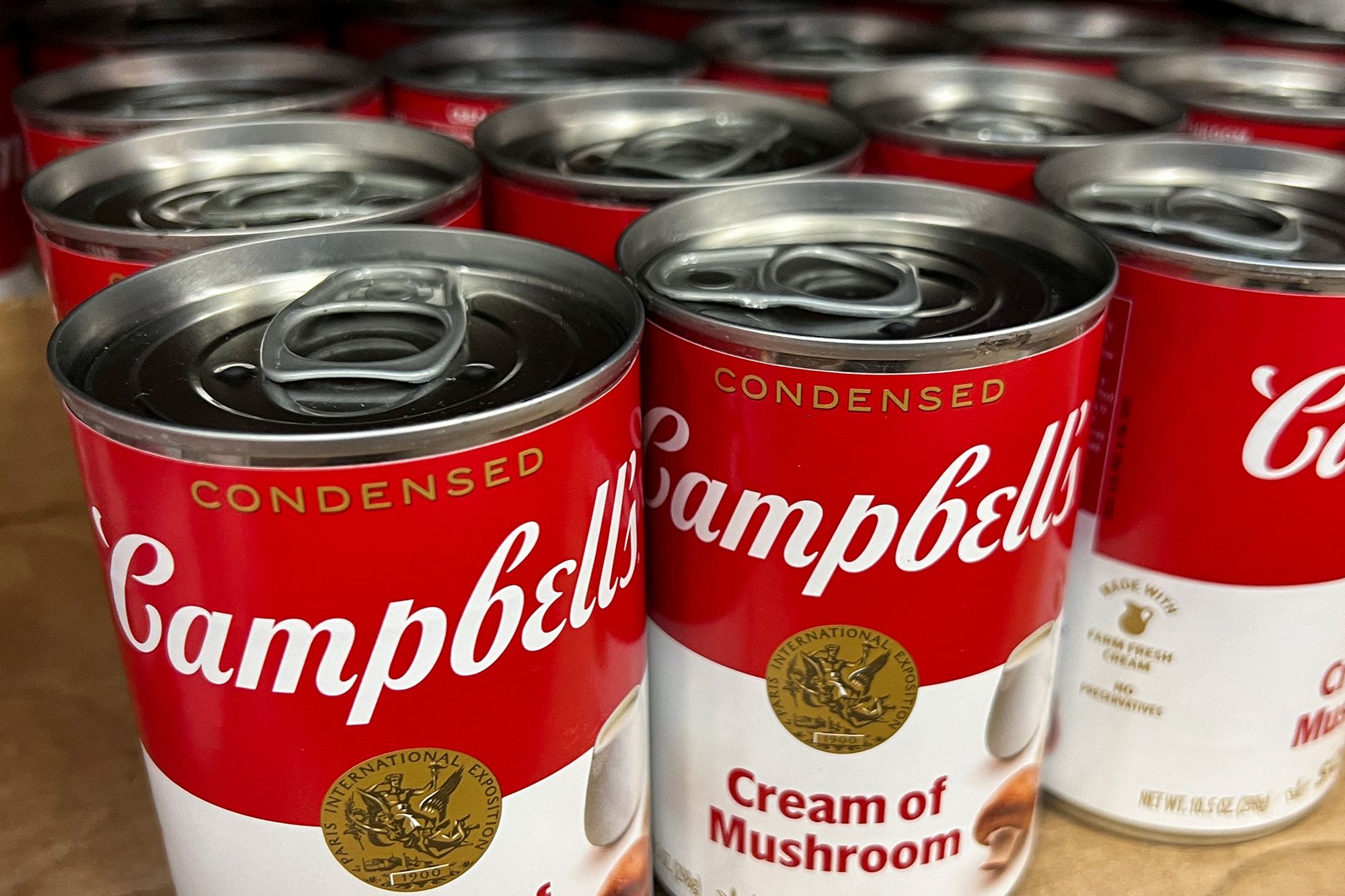
Campbell’s executive comments spark debate over the future of food industry jobs
The iconic food company Campbell’s is facing public criticism following controversial remarks made by senior executive Martin Bally, who spoke about the company’s growing reliance on automation and 3D printing technology in its production processes. As reported by The Guardian, Bally’s comments have raised concerns among employees and labor advocates about potential job losses and the ethical implications of replacing human workers with machines.
While Campbell’s has long been associated with its traditional Campbell’s Soup brand, the firm is increasingly adopting cutting-edge manufacturing technologies to improve efficiency and reduce production costs. Bally’s statements, however, have reignited a debate about how far automation should go in reshaping the food industry.
“Technology is the future of food,” says Martin Bally
Speaking at a recent industry conference in New Jersey, Martin Bally, Campbell’s head of manufacturing innovation, praised the company’s investment in automation and digital manufacturing. He highlighted that 3D printing systems were being tested to help streamline packaging and enhance consistency in production.
Bally said, “Technology is the future of food. With robotics, AI, and 3D printers, we can create precision-based products at scale while ensuring zero waste.”
While the remarks were meant to showcase Campbell’s commitment to innovation, they quickly drew backlash from union representatives and some employees, who interpreted them as a signal that traditional manufacturing jobs may soon be at risk.
Employee unions react to Campbell’s automation push
Labor unions representing Campbell’s factory workers criticized Bally’s remarks, warning that the company’s shift toward automated systems could displace hundreds of workers in key U.S. facilities. Union representatives argued that management must prioritize retraining and redeployment instead of job cuts.
One union spokesperson told The Guardian, “Automation may be inevitable, but it must not come at the cost of hardworking families who helped build the Campbell’s brand. Workers deserve transparency and a fair transition plan.”
This statement echoes broader concerns across the U.S. manufacturing sector, where companies are increasingly turning to robotics and digital production to maintain competitiveness.
Campbell’s response: balancing innovation and workforce stability
In response to the criticism, a Campbell’s spokesperson issued a clarification, stating that Martin Bally’s comments were taken out of context and that the company remains committed to supporting its employees through technological transitions.
“Campbell’s continues to invest in our people as much as in innovation,” the company said in a statement. “Our goal is to create safer, more efficient work environments while maintaining the same level of craftsmanship our customers trust.”
However, market analysts note that Campbell’s stock could face short-term volatility as investors assess the potential impact of these developments on public perception and labor relations. Despite the controversy, Campbell’s stock remains stable for now, supported by steady demand for its soup and snack products during the holiday season.
Automation and 3D printing in the food industry
The use of 3D printers in food manufacturing is a growing trend, allowing companies like Campbell’s to experiment with customized packaging, ingredient layering, and even novel food textures. While these technologies promise efficiency and sustainability, they also challenge traditional labor models.
Experts say that automation can reduce waste, energy use, and manual errors, but companies must handle the human impact with care. “Technology should empower, not displace,” said an industry consultant quoted by The Guardian. “If Campbell’s can use 3D printing to enhance quality while retaining jobs, it could set a benchmark for responsible innovation.”
Campbell’s future: innovation under scrutiny
The controversy comes at a time when Campbell’s is seeking to modernize its image and expand beyond its legacy Campbell’s Soup line. With rising competition from health-conscious and tech-savvy food startups, the company sees innovation as essential for growth.
However, Bally’s comments highlight the delicate balance between technological advancement and workforce preservation — a theme that is becoming increasingly relevant across corporate America.
Analysts suggest that Campbell’s management will need to take concrete steps to reassure both employees and investors that automation will not erode the company’s values or its social responsibility.
Conclusion: a defining moment for Campbell’s
The Campbell’s controversy underscores the growing tension between innovation and job security in the food industry. As automation and 3D printing reshape production, companies like Campbell’s must navigate public concerns carefully while staying competitive.
Whether this moment becomes a reputational setback or a turning point toward sustainable modernization will depend on how Martin Bally and Campbell’s leadership communicate and act in the coming months.For the latest updates on business, innovation, and workplace trends, visit StartupNews.fyi.