


Tech
Google Photos expands AI prompt-based editing to India, Australia, Japan
Google Photos has expanded its prompt-based AI editing tools to users in India, Australia, and Japan. The feature allows people to modify images using natural language prompts, extending Google’s generative AI capabilities deeper into its consumer apps portfolio. Google is pushing one of its most visible consumer AI features into three major international markets, as […]

Google Photos has expanded its prompt-based AI editing tools to users in India, Australia, and Japan. The feature allows people to modify images using natural language prompts, extending Google’s generative AI capabilities deeper into its consumer apps portfolio.
Google is pushing one of its most visible consumer AI features into three major international markets, as Google Photos brings prompt-based photo editing to India, Australia, and Japan. The expansion follows earlier launches in the United States and a limited set of other regions, signaling Google’s intent to normalize generative AI tools inside everyday mobile workflows.
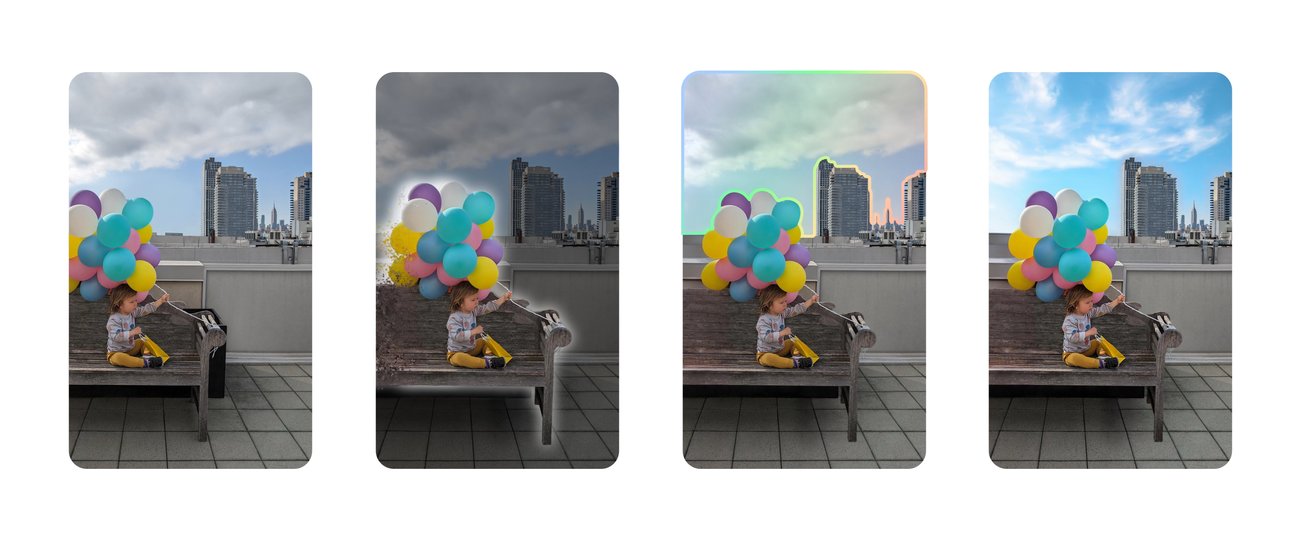
The feature allows users to edit photos by typing simple instructions—such as removing background objects, changing skies, or repositioning subjects—rather than relying solely on manual sliders and brushes. While Google has framed the tool as an evolution of existing editing features, the broader rollout underscores how aggressively the company is embedding generative AI into consumer-facing products.
A wider international push for consumer AI
For Google Photos, the geographic expansion matters as much as the feature itself. India is one of the company’s largest user bases globally, while Japan and Australia represent mature smartphone markets with high expectations around camera and editing quality. Together, the three countries offer a mix of scale, spending power, and technical sophistication.
The rollout suggests that Google believes its prompt-based editing is stable enough for broader exposure and culturally adaptable across different photography habits. Photos in India, for example, often emphasize people, events, and vibrant environments, while Japanese users tend to prioritize precision and aesthetic control. Making a single AI system work across these contexts is both a technical and product challenge.
Google has not disclosed user adoption numbers, but positioning the feature inside Photos—rather than as a standalone AI app—gives it immediate reach. Google Photos is preinstalled on many Android devices and widely used on iOS, lowering friction for experimentation.
How prompt-based editing works in practice
The editing system builds on Google’s existing “Magic Editor” and generative AI research. Users can tap into an editing mode and describe what they want to change in plain language. The AI interprets the request, generates possible edits, and applies them directly to the image.
Unlike professional tools that expose layers and masks, Google’s approach is intentionally abstracted. The emphasis is on intent rather than technique. A user might ask to “remove people in the background” or “make the sky more dramatic,” and the system handles the rest.
This abstraction is a key part of Google’s strategy. By reducing the learning curve, the company aims to make advanced image manipulation feel routine rather than specialized. That aligns with broader trends in AI product design, where natural language is increasingly used as a universal interface.
Positioning against rivals in AI photo editing
The expansion also reflects growing competitive pressure. Smartphone makers and app developers are racing to differentiate through AI-powered photography features. Apple, Samsung, and several Chinese OEMs have introduced generative or computational photography tools tightly integrated with their hardware.
Independent apps, meanwhile, are experimenting with more aggressive transformations, including style transfers and full scene reconstruction. Google Photos’ advantage lies in scale and integration. By embedding AI editing directly into Photos, it avoids asking users to download or trust a separate application.
For startups, this raises the bar. Consumer photo-editing apps now compete not just on UI or niche features, but against platform-level AI capabilities bundled for free. That dynamic mirrors what has already happened in areas like navigation and email filtering, where Google’s default tools set expectations for the entire market.
Data, trust, and the question of authenticity
As generative editing becomes easier, questions about authenticity and trust follow closely behind. Google Photos has said that AI-generated edits in Photos include metadata indicating that an image has been modified using AI tools, part of a broader industry effort to improve transparency.
Still, the expansion into new regions may intensify scrutiny from regulators and media organizations concerned about misinformation and manipulated imagery. While Photos is positioned as a personal tool, images edited there can easily circulate on social platforms.
In markets like India, where messaging apps and social networks play a central role in news consumption, the line between casual editing and misleading alteration can blur quickly. Google Photos has not announced region-specific safeguards beyond its existing policies, but the international rollout increases the stakes around responsible deployment.
Why this rollout matters now
The timing of the expansion is notable. Google Photos is facing mounting pressure to demonstrate practical returns on its massive AI investments. Consumer-facing features offer a visible way to do that, especially when they can be rolled out incrementally across markets.
Prompt-based editing also serves as a testing ground for how comfortable users are with AI making creative decisions on their behalf. Photos are personal, often emotional artifacts. Trusting an algorithm to alter them is a meaningful behavioral shift.
For Google Photos, success here could validate a broader strategy of pushing generative AI into familiar products rather than launching entirely new experiences. For users, it marks another step toward AI becoming an invisible collaborator rather than a distinct tool.
Looking ahead
Google Photos has not specified which countries are next, but the inclusion of India, Australia, and Japan suggests a roadmap that extends well beyond early adopter markets. As the feature reaches more users, feedback from diverse regions will likely shape how the system evolves.
In the broader tech ecosystem, the move reinforces a clear signal: generative AI is no longer confined to labs or niche apps. It is becoming part of the default toolkit for everyday digital life, quietly reshaping how people create, edit, and share their memories—often with nothing more than a sentence typed on a screen.