

Artificial Intelligence
OpenAI Eyes First Consumer Device in 2026, Reportedly Exploring AI Earbuds
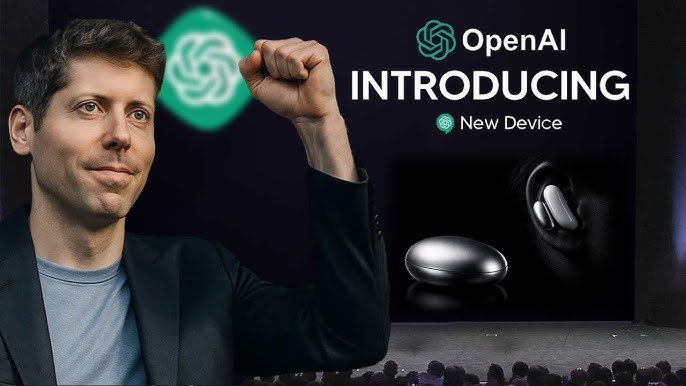
OpenAI Targets 2026 for Its First Consumer Device, With AI Earbuds Emerging as a Leading Concept OpenAI is aiming to ship its first-ever consumer hardware device in 2026, marking a significant strategic expansion beyond software and cloud-based AI services. According to reporting by TechCrunch, the company is exploring a range of form factors, with AI-powered […]
OpenAI Targets 2026 for Its First Consumer Device, With AI Earbuds Emerging as a Leading Concept
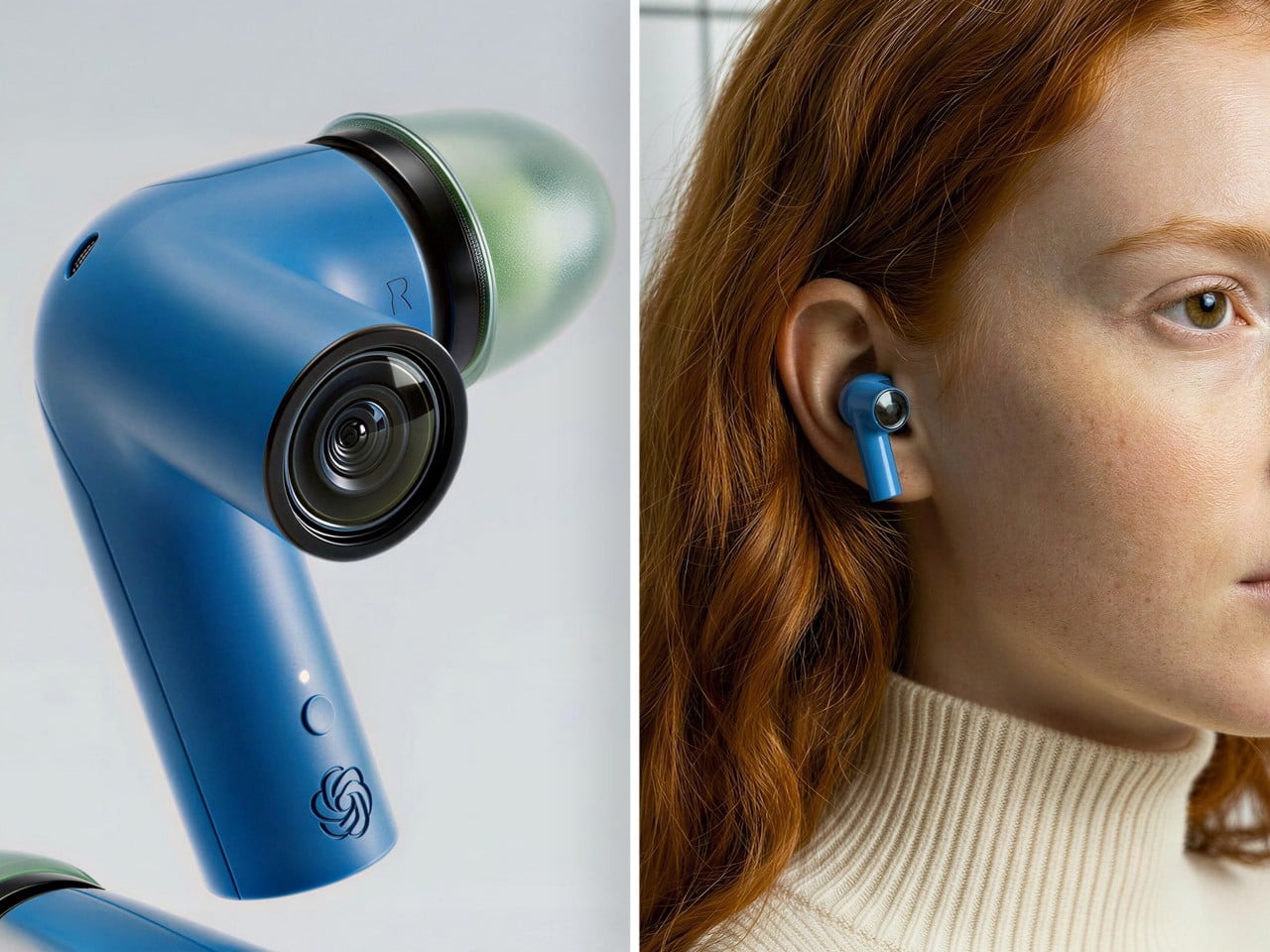
OpenAI is aiming to ship its first-ever consumer hardware device in 2026, marking a significant strategic expansion beyond software and cloud-based AI services. According to reporting by TechCrunch, the company is exploring a range of form factors, with AI-powered earbuds emerging as one of the most likely early products.
If realized, the move would place OpenAI directly into the competitive consumer electronics arena — a notable shift for a company best known for foundational AI models and developer platforms. For startups and incumbents alike, the development signals how quickly generative AI companies are moving up the stack, from infrastructure and software into end-user hardware.
From models to machines
Since its founding, OpenAI has focused primarily on building and deploying AI models through APIs and consumer-facing software. A hardware product would represent a new phase, allowing the company to control the entire user experience — from sensors and microphones to inference, interaction, and design.
TechCrunch reports that OpenAI leadership has been internally discussing hardware as a way to make AI more ambient and intuitive, reducing reliance on screens and keyboards. Earbuds, in particular, would offer constant proximity to users and a natural interface for voice-driven AI.
However, OpenAI has not officially confirmed the final product category, and details around specifications, pricing, and manufacturing partners remain undisclosed.
Why earbuds make strategic sense
AI-powered earbuds have several advantages as a first device. They are already widely adopted, relatively low-cost compared to smartphones, and well-suited to voice-based interaction — an area where OpenAI’s models excel.
Such a device could enable real-time translation, contextual assistance, proactive reminders, and hands-free interaction throughout the day. By embedding AI directly into a wearable, OpenAI could bypass app stores and platform gatekeepers, delivering experiences tightly integrated with its models.
At the same time, the category is highly competitive, dominated by established players like Apple, Google, and major consumer electronics brands. Differentiation would depend on AI capabilities rather than hardware alone.
A broader push into consumer AI
The reported hardware ambitions align with OpenAI’s broader trajectory. Over the past year, the company has increasingly emphasized consumer products alongside enterprise and developer offerings.
A dedicated device could accelerate adoption by making AI more personal and persistent. Instead of opening an app or typing a prompt, users could interact with AI continuously — a vision shared by several startups experimenting with AI wearables.
OpenAI’s scale and brand recognition, however, set it apart. If the company enters hardware, it does so with an existing global user base and significant capital resources.
Implications for startups and the AI hardware ecosystem
OpenAI’s entry into consumer hardware would have immediate ripple effects across the startup ecosystem. Numerous early-stage companies are building AI-native wearables, smart audio devices, and ambient assistants.
A successful OpenAI device could validate the category — but also intensify competition. Startups may need to differentiate through niche use cases, specialized hardware, or integration with enterprise workflows.
Investors, meanwhile, may reassess the risk-reward balance in AI hardware, a historically difficult category due to manufacturing costs, supply chain complexity, and thin margins.
Manufacturing, privacy, and trust challenges
Hardware introduces challenges OpenAI has not previously faced at scale. Manufacturing requires long lead times, supply chain partnerships, and rigorous quality control. Privacy concerns are also amplified when devices include microphones that operate continuously.
It remains unclear how OpenAI would handle on-device processing versus cloud inference, or how much user data would be stored or transmitted. These decisions will be closely scrutinized by regulators and consumers alike.
OpenAI has emphasized safety and responsible AI in its software products, but translating those principles into always-on consumer hardware will test the company’s governance frameworks.
U.S.-led innovation with global reach
Although OpenAI is based in the United States, any consumer device would likely target a global market. Adoption patterns may vary by region, shaped by cultural norms around voice assistants, privacy, and wearables.
In emerging markets, affordable AI earbuds could offer practical value — from translation to education. In mature markets, success may hinge on seamless integration into daily routines without feeling intrusive.
What remains uncertain
Several key questions remain unanswered:
- Whether earbuds will be the first product or one of several prototypes
- How much processing will happen on-device versus in the cloud
- Whether the device will work independently or require a companion smartphone
- How OpenAI will position the product relative to existing AI assistants
TechCrunch notes that plans are still evolving, and timelines could shift as development progresses.
A high-stakes evolution for OpenAI
If OpenAI ships a consumer device in 2026, it will mark a decisive evolution from AI provider to consumer technology company. Success would give OpenAI unprecedented control over how people experience AI in daily life.
Failure, however, would underscore the difficulty of hardware — even for companies with world-class software.
For the broader tech and startup ecosystem, the takeaway is clear. The battle for AI’s future is no longer confined to models and platforms. It is moving into physical products — and OpenAI appears determined to be part of that next chapter.