


AI
Apple Intelligence Siri Is Over a Year Late — But the Delay…
Apple’s next-generation Siri, powered by what the company now calls Apple Intelligence, is officially more than a year behind where many analysts and users expected it to be. In an industry moving at breakneck speed—where rivals ship new AI features every few months—that delay has fueled criticism that Apple has fallen dangerously behind. Yet, as […]
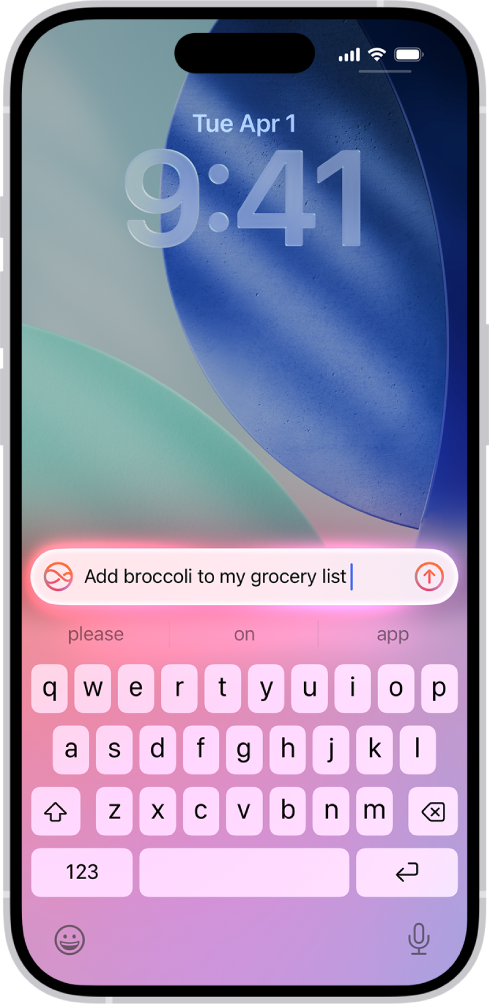
Apple’s next-generation Siri, powered by what the company now calls Apple Intelligence, is officially more than a year behind where many analysts and users expected it to be. In an industry moving at breakneck speed—where rivals ship new AI features every few months—that delay has fueled criticism that Apple has fallen dangerously behind. Yet, as reported by 9to5Mac, there is a growing argument inside and outside the industry that this delay may ultimately work in Apple’s favor.
Rather than rushing a half-baked AI assistant to market, Apple appears to be taking a slower, more deliberate path—one that prioritizes reliability, privacy, and deep system integration over flashy demos. In the long run, that restraint could redefine what users expect from a personal AI assistant.
Why Apple Intelligence Siri Is So Late
Apple previewed its Apple Intelligence vision alongside major platform updates, setting expectations that Siri would undergo a dramatic transformation. The promise was ambitious: a Siri that understands context across apps, performs multi-step actions, and behaves less like a voice command tool and more like a personal intelligence layer.
Delivering that vision, however, is far more complex than adding a chatbot. It requires rewriting core system logic, redesigning Siri’s architecture, and ensuring AI features behave consistently across iPhone, iPad, and Mac.
Apple’s delay reflects the reality that system-level AI is harder than standalone AI apps.
The Pressure From Google, OpenAI, and Microsoft
Apple’s timing problem is magnified by the speed of its competitors. Google’s Gemini, OpenAI’s ChatGPT, and Microsoft’s Copilot have all reshaped expectations around AI assistants.
These tools can reason, summarize, generate content, and respond conversationally in ways Siri historically could not. In comparison, Apple’s assistant began to feel outdated.
That contrast made the delay more visible—and more controversial.
Why Apple Didn’t Just Ship a Chatbot Siri
Apple could have released a chatbot-style Siri earlier. Technically, that would have been possible.
But doing so would have conflicted with Apple’s long-standing design philosophy. Apple does not want Siri to feel like a separate app or novelty feature. It wants Siri to feel native, invisible, and dependable.
Shipping a rushed conversational AI that hallucinates, misunderstands context, or breaks user trust would do more damage than good.
The delay suggests Apple chose caution over catching headlines.
Apple Intelligence Is About Systems, Not Conversations
One reason the new Siri is taking longer is that Apple Intelligence is not just about talking smarter—it is about acting smarter.
Apple wants Siri to:
• Understand what you are doing on your device
• Reference past actions securely
• Perform tasks across multiple apps
• Anticipate needs rather than wait for commands
That level of intelligence requires deep hooks into the operating system. It cannot be layered on top easily.
This is fundamentally different from cloud-first AI assistants.
Privacy Constraints Slow Apple Down—By Design
Apple’s biggest differentiator in AI is also its biggest constraint: privacy.
Apple insists that much of Apple Intelligence runs on-device or through tightly controlled private cloud infrastructure. This limits how quickly models can be trained, updated, and deployed compared to competitors that rely heavily on centralized data collection.
The delay reflects Apple’s refusal to trade user trust for speed.
Ironically, that restraint may age well.
Why Being Late Might Actually Help Apple
The AI industry is currently in a chaotic phase. Tools are impressive but inconsistent. Errors, hallucinations, and unpredictable behavior remain common.
By waiting, Apple can observe what works—and what fails—at scale. It can learn from competitors’ mistakes without subjecting its users to them.
Being late allows Apple to ship something more stable when expectations settle.
User Trust Is Apple’s Most Valuable AI Asset
AI assistants only work if users trust them. A single bad interaction—sending the wrong message, misunderstanding sensitive context—can permanently damage confidence.
Apple’s delay suggests it understands that trust is harder to rebuild than reputation.
A slower rollout reduces the risk of highly visible failures.
The Cost of Rushing Would Be Higher for Apple
Unlike smaller companies, Apple cannot quietly fix mistakes without scrutiny. Every Siri failure becomes global news.
Rushing Apple Intelligence would expose the company to regulatory, reputational, and legal risks—especially as governments begin to scrutinize AI behavior more closely.
Delay reduces exposure during a volatile regulatory moment.
Why Apple Intelligence Needs Time to Feel “Apple”
Apple products are judged not just on capability, but on polish. Features are expected to feel cohesive, intuitive, and predictable.
Early AI systems often feel raw. They require users to adapt their behavior.
Apple’s goal is the opposite: AI should adapt to users.
Achieving that level of refinement takes time.
How the Delay Changes Expectations for Sir
The longer Apple waits, the higher expectations rise—but also the clearer the target becomes.
Siri no longer needs to win on novelty. It needs to win on usefulness.
That clarity helps Apple focus on delivering practical intelligence rather than chasing demos.
A Different Definition of AI Success
Apple does not need Siri to be the smartest AI in isolation. It needs Siri to be the most helpful assistant in everyday life.
That means fewer hallucinations, better context awareness, and seamless integration—not necessarily the most verbose responses.
The delay aligns with that philosophy.
Why Apple Intelligence Is About Long-Term Differentiation
Short-term AI wins come from features. Long-term wins come from platforms.
Apple Intelligence is designed to be a foundation for future capabilities, not a one-off upgrade. Rushing that foundation would limit what comes next.
By taking its time, Apple positions Siri as infrastructure rather than experiment.
How This Delay Compares to Past Apple Moves
Apple has been “late” before—and benefited.
The iPhone arrived after smartphones existed. The Apple Watch arrived after smartwatches failed. AirPods followed years of Bluetooth headphones.
In each case, Apple entered when the category was ready—not when it was new.
AI may follow the same pattern.
The Risk Apple Is Taking
Delay is not without danger. Users may form habits around competing assistants. Developers may build for other platforms first.
Apple risks perception damage if Siri improvements do not arrive soon enough.
But Apple appears willing to accept that risk to avoid shipping something it cannot stand behind.
Why the Market May Be More Forgiving Than It Seems
Despite criticism, users still rely on Apple devices daily. Siri’s weaknesses have not driven mass defection.
That loyalty buys Apple time—if it uses it wisely.
A genuinely better Siri could quickly change the narrative.
The Benefit of Launching Into a Mature AI Landscape
When Apple Intelligence finally arrives, it will do so into a more mature ecosystem. Standards, expectations, and safeguards will be clearer.
This reduces uncertainty and allows Apple to position Siri more confidently.
Being late means entering a more stable phase of AI adoption.
What Success Will Look Like for Apple Intelligence Siri
Success will not be measured by viral demos. It will be measured by:
• Fewer failed interactions
• More tasks completed successfully
• Less need for repetition
• Greater user confidence
These are not flashy metrics—but they matter most.
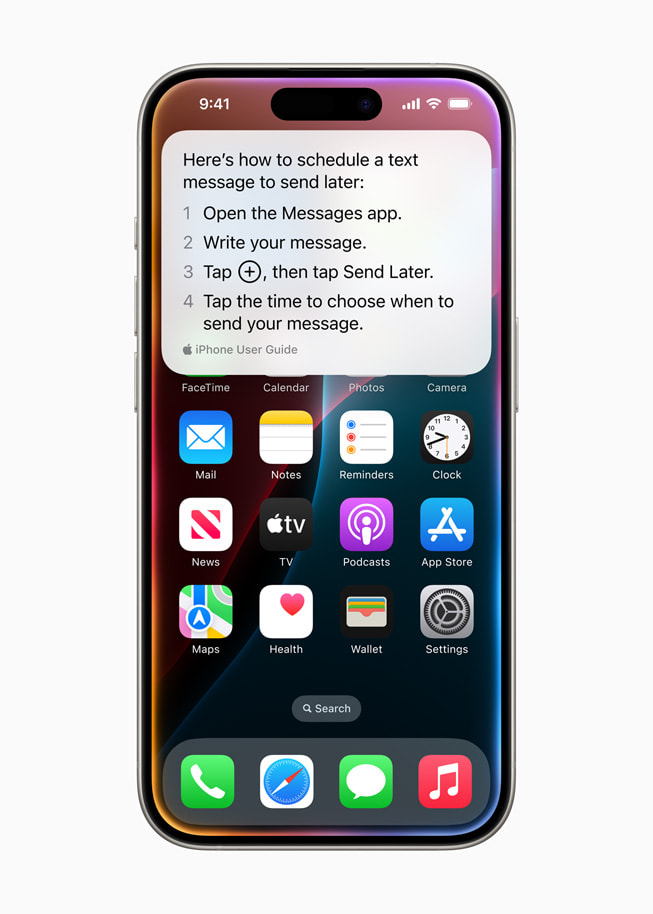
Why This Delay Could Redefine Siri’s Reputatio
Siri’s reputation has suffered from years of stagnation. A rushed update could cement that perception.
A delayed but transformative update could reverse it.
The stakes justify patience.
Conclusion: Late, But Potentially Right
Apple Intelligence Siri may be over a year late, but the delay reflects strategic restraint rather than indecision.
By prioritizing privacy, reliability, and deep integration over speed, Apple is betting that users will value a trustworthy assistant more than a flashy one.
In a landscape crowded with impressive but inconsistent AI tools, Apple’s slow approach could ultimately feel refreshing.
If Apple delivers on its vision, the delay will not be remembered as a failure—but as the moment Apple chose to get AI right instead of getting it first.