


AI
Apple May Have Hinted at a High-End MacBook Pro Launch on January…
Apple may be preparing to kick off 2026 with a significant hardware announcement, and all signs point toward a high-end MacBook Pro launch on January 28. Subtle clues spotted in Apple’s recent communications have ignited widespread speculation across the tech industry, with analysts and enthusiasts closely examining every detail. According to reporting from 9to5Mac, Apple’s […]
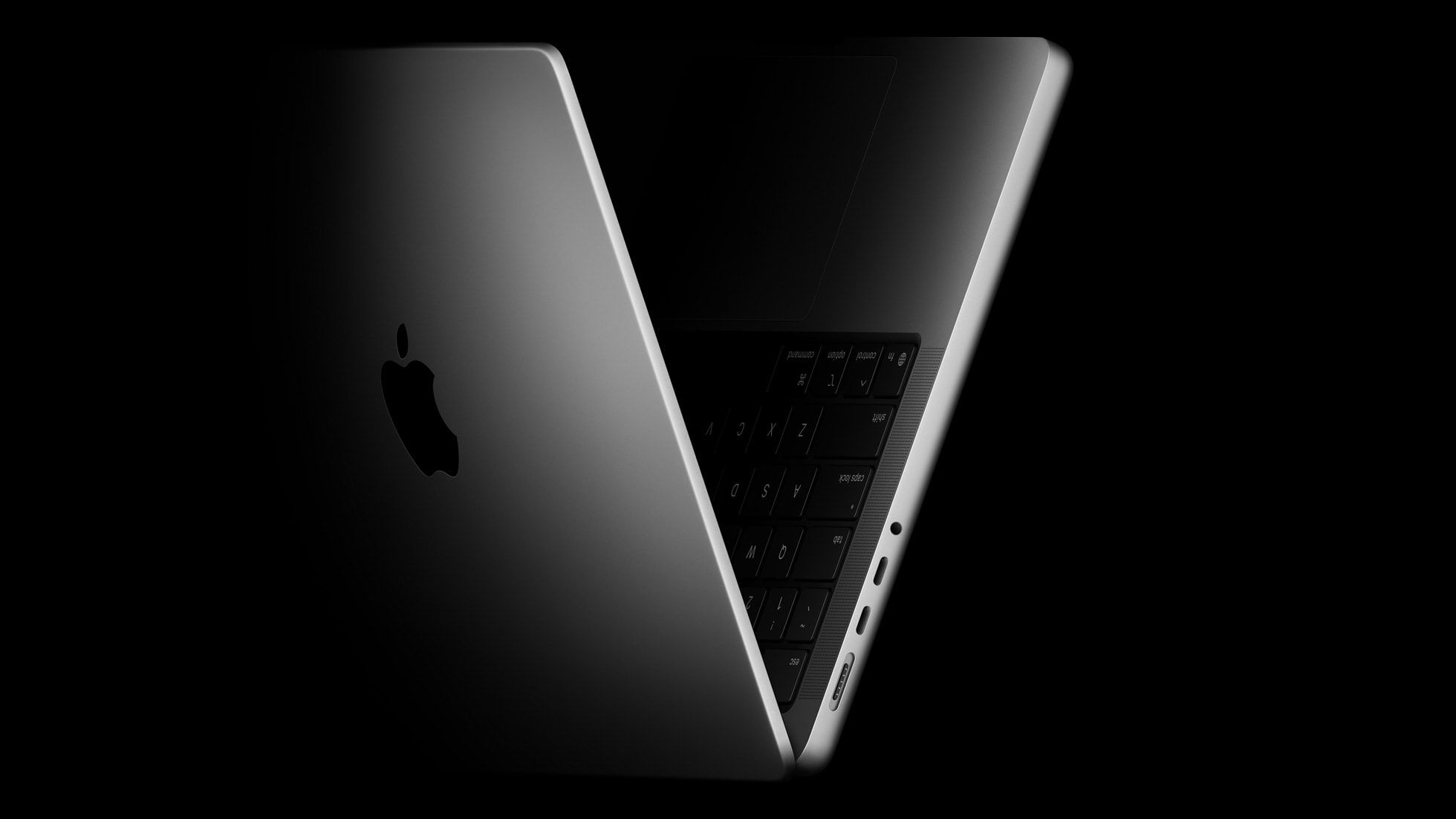
Apple may be preparing to kick off 2026 with a significant hardware announcement, and all signs point toward a high-end MacBook Pro launch on January 28. Subtle clues spotted in Apple’s recent communications have ignited widespread speculation across the tech industry, with analysts and enthusiasts closely examining every detail. According to reporting from 9to5Mac, Apple’s wording, timing, and recent activity strongly suggest that a powerful new MacBook Pro could be imminent.
While Apple has not officially confirmed any event or product, the company’s history of carefully timed teases makes the January 28 date particularly intriguing. If accurate, the launch would align with Apple’s tradition of introducing professional-focused Mac hardware early in the year, reinforcing the MacBook Pro’s role as a flagship device for creators, developers, and power users.
Why January 28 Is Drawing Attention
Apple is known for precision in its product announcements, rarely leaving dates or language to chance. The January 28 timing stands out because it falls squarely within Apple’s typical window for Mac-related launches. Historically, Apple has often used January to refresh professional hardware, separating it from the consumer-focused product cycles that dominate spring and fall.
The hint identified by 9to5Mac appears subtle, but that subtlety is characteristic of Apple. Rather than overt teasers, Apple often plants indirect signals that only make sense in retrospect. For seasoned Apple watchers, these signals are rarely accidental.
A High-End MacBook Pro Would Fit Apple’s Current Trajectory
A premium MacBook Pro refresh would fit neatly into Apple’s broader hardware roadmap. The company has spent the past several years refining its transition to Apple Silicon, steadily improving performance, efficiency, and thermal management with each generation.
A January 28 launch could introduce a MacBook Pro designed specifically to push Apple Silicon to new limits. Such a device would likely target professionals who rely on sustained performance for tasks such as video editing, software development, 3D rendering, and machine learning workflows.
Apple Silicon’s Role in a Potential Launch
Any high-end MacBook Pro announcement would almost certainly center on Apple Silicon advancements. Apple has consistently used MacBook Pro updates to showcase the upper bounds of its in-house chips, demonstrating how they outperform traditional architectures in both power and efficiency.
A January launch would provide Apple an opportunity to reaffirm its leadership in performance-per-watt, a metric that has become central to its Mac narrative. By unveiling a new MacBook Pro early in the year, Apple can set the tone for its entire Mac lineup in 2026.
Why Professionals Are Watching Closely
The MacBook Pro occupies a unique position in Apple’s ecosystem. It is not just a laptop; it is a primary work tool for many professionals. As a result, even small improvements can have outsized impact on productivity and workflow efficiency.
Professionals have been eager for clarity on Apple’s next steps. A January 28 launch would provide reassurance that Apple remains committed to pushing the MacBook Pro forward rather than allowing incremental updates to define the product.
Design Evolution Versus Internal Upgrades
While speculation around internal upgrades is intense, Apple is less predictable when it comes to design changes. Recent MacBook Pro models introduced a more functional, professional-oriented design, prioritizing ports, performance, and usability.
A high-end launch in January is more likely to emphasize internal advancements rather than a radical external redesign. Apple typically reserves major design overhauls for larger product cycles, while early-year launches often focus on performance and capability enhancements.
How This Fits Apple’s Event Strategy
Apple’s event strategy has evolved. Not every major product now receives a large, standalone keynote. In recent years, Apple has used press briefings, online announcements, and smaller-scale launches to introduce significant hardware.
A January 28 MacBook Pro reveal could follow this quieter approach. This would allow Apple to target its message toward professionals without competing for attention with broader consumer announcements.
Market Context Strengthens the Case
The timing also makes sense from a market perspective. The professional laptop segment is increasingly competitive, with users demanding more power without sacrificing mobility. Apple has positioned the MacBook Pro as a response to that demand.
Launching early in the year gives Apple a strategic advantage. It allows the company to define performance benchmarks before competitors roll out their own flagship devices later in the cycle.
Why Apple Might Choose to Hint Rather Than Announce
Apple’s hints often serve a dual purpose. They generate anticipation without committing the company to a specific narrative too early. This approach keeps attention focused while preserving flexibility.
If Apple does indeed unveil a high-end MacBook Pro on January 28, the prior hint ensures that the audience is primed. Expectations are raised, but not so much that the company risks disappointment if details differ from speculation.
Potential Impact on Apple’s Mac Lineup
A new high-end MacBook Pro would likely influence the rest of Apple’s Mac strategy for 2026. Historically, advancements introduced in MacBook Pro models trickle down to other Macs over time.
This makes the January 28 date important not just for laptop buyers, but for anyone interested in Apple’s computing ecosystem. The technologies introduced could shape future Mac releases across the board.
Developer and Creator Implications
For developers and creators, a high-end MacBook Pro launch is more than a hardware refresh. It signals Apple’s ongoing investment in performance-critical workflows.
Many creative professionals plan hardware upgrades around Apple’s release cycles. A confirmed January launch would allow them to make informed decisions early in the year, aligning budgets and project timelines accordingly.
How Apple’s Silence Adds Weight to the Speculation
Apple’s refusal to comment on rumors often amplifies them. In this case, the absence of clarification has only strengthened speculation around January 28.
Apple’s silence is rarely accidental. When combined with carefully chosen hints, it often precedes an announcement that the company wants to control tightly.
What Analysts Are Saying
Industry analysts have noted that Apple’s Mac lineup is due for a performance-focused update. While opinions differ on specifics, there is broad agreement that Apple is unlikely to leave the professional segment untouched for long.
The January 28 timeline aligns with these expectations, making the rumor feel less speculative and more strategic.
Why This Launch Would Matter Beyond Apple
A high-end MacBook Pro launch would resonate beyond Apple’s user base. Apple’s moves often influence industry trends, particularly around efficiency, battery life, and integrated design.
Competitors closely watch Apple’s Mac announcements, adjusting their own roadmaps in response. A January launch would set an early benchmark that others would need to respond to throughout the year.
Managing Expectations Ahead of January 28
Despite the excitement, it is important to approach the rumor with caution. Apple has not confirmed an event, and speculation remains just that until official announcements are made.
However, Apple’s track record suggests that when multiple signals align, something significant is usually on the horizon.
What to Watch in the Coming Days
As January 28 approaches, additional clues may emerge. These could include regulatory filings, software references, or subtle changes to Apple’s online store.
Any such developments would further clarify whether a high-end MacBook Pro launch is imminent or whether Apple is laying groundwork for a later announcement.
Conclusion: A Strategic Moment for the MacBook Pro
If Apple does unveil a high-end MacBook Pro on January 28, it will mark a strong start to 2026 for the company’s Mac lineup. The timing, hints, and broader context all suggest that Apple is preparing to reinforce the MacBook Pro’s status as a professional powerhouse.
While nothing is confirmed, the speculation reflects genuine anticipation rooted in Apple’s history and strategic patterns. For professionals, developers, and Apple enthusiasts alike, January 28 is shaping up to be a date worth watching.
Whether through a quiet announcement or a more formal reveal, Apple appears poised to remind the world why the MacBook Pro remains central to its vision of high-performance computing.