

[ad_1] The elephant in the engineering room right now is that most AI failures aren’t about model accuracy or even the quality of your training data....

[ad_1] Over the past year, AI inferencing has become significantly more resource-intensive due to the exponential growth in the size and capabilities of large language models...

[ad_1] When vibe coding first landed in dev circles, it felt like the cool kid at the party. Suddenly, everyone is talking about ditching rigid structures,...
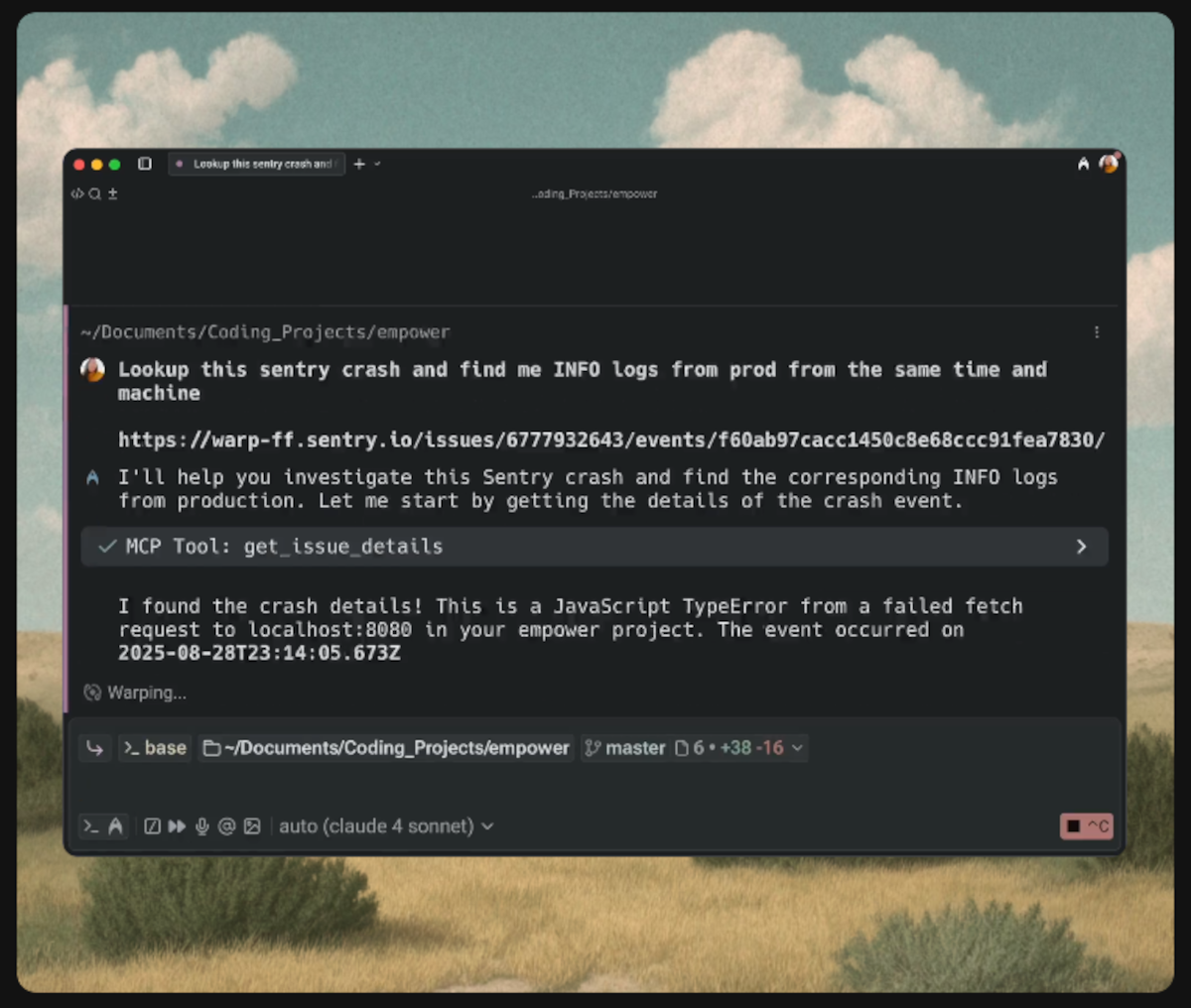
[ad_1] Warp is an agentic development environment, an AI-powered, terminal-first environment for DevOps engineers and site reliability engineers (SREs). While tools like Cursor, Windsurf and Kiro...

[ad_1] After a decade building everything from iPhone apps at early stage startups to medical AI systems at major tech companies, I’ve watched countless organizations rush...

[ad_1] Platform engineering is gaining traction across industries as organizations grapple with the complexity of cloud native development. Teams want to streamline provisioning, deployment and observability...

[ad_1] Deploying an AI-powered application is more than just calling a model. Developers must wrangle inference infrastructure, version data pipelines and integrate external tools, while also...

[ad_1] For most mobile engineers, interviews at big tech companies come with a mix of excitement and dread. Everyone’s heard the stories — whiteboard puzzles, rapid-fire...

[ad_1] Cloud native was once about packaging applications into containers and deploying them fast. Today, it’s about supporting everything from microservices to Software as a Service...

[ad_1] For Vercel’s Andrew Qu, OpenAI’s new ChatGPT Apps platform presented a challenge. “ChatGPT initially designed their apps to be static HTML pages, cached, so they...