
Business
How To Choose Best Virtual Office Provider For Your Business
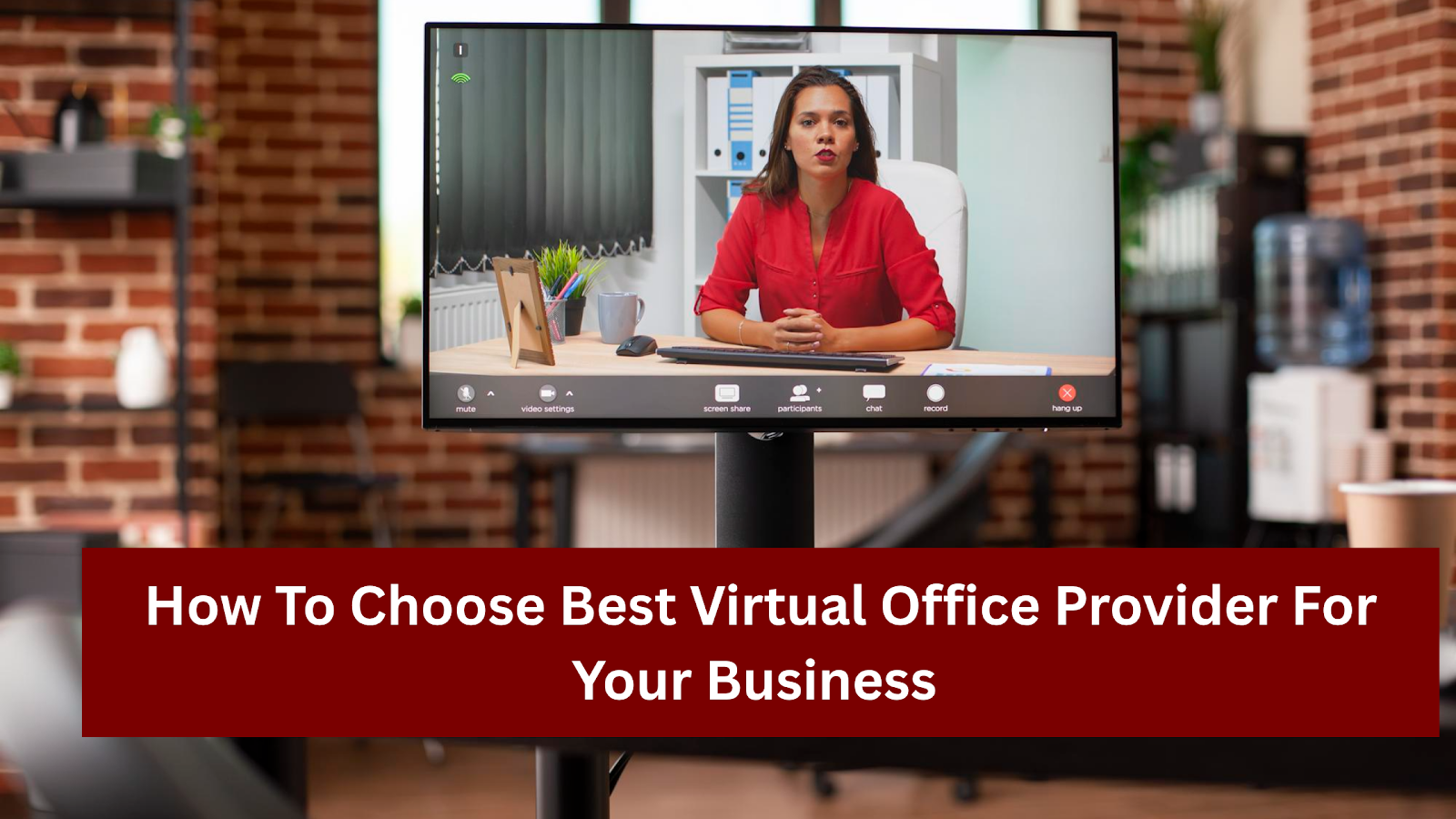
More entrepreneurs and startups are redefining exactly what it means to “have an office.” Rather than becoming mired in expensive leases and long-term contracts, they’re embracing flexible virtual office solutions to maintain professionalism without the overhead.
Competition is rife among providers, and it can be hard to find a company that genuinely matches your business’s unique needs. A wrong choice may have broader implications for the perceived image of your brand, the efficiency of handling your mail, or even loss of client trust.
It is hence important to comprehend what makes up a reliable virtual office provider.
Whether freelancers are looking for a credible address or growing companies are moving into new territories, being able to make a good choice will make all the difference in how your business projects run seamlessly long-term.
Here are simple ways to pick the best virtual office provider.
1. Location and Credibility
The location of the virtual office forms a very important part of your business image.
For example, a business address in an area such as London speaks volumes about how credible and trustworthy you are as a client in the minds of people. Thus, ensure you go for top-rated virtual office providers in london that boast prestigious addresses to enhance the professional appeal of your company.
With the right location, you will be able to establish a strong presence locally, even when your operations are virtual.
A prestigious address, therefore, facilitates building up a connection with investors, customers, or business partners, who immediately associate the venue of operation with reliability.
Make sure that the address is genuine, verifiable, and within a commercial area, not a residential zone, to keep the legitimacy and professionalism of the provider.
2. Scope of Services Provided
A good virtual office would offer you much more than a mailing address. Evaluate the comprehensiveness of the services, including call handling, mail forwarding, receptionist support, and access to meeting rooms.
Such features can go a long way toward enhancing the experience of being your client. If you often find yourself in situations where you have to meet clients, access to a conference room or shared workspace can bring convenience and consistency to your professional image.
Businesses that choose providers offering flexible, all-in-one packages can scale their operations more easily to meet changing needs.
Compare what each of them has to offer and ensure that their plans can support business growth without any hidden costs or complicated upgrades.

3. Price Transparency
While one of the major selling points of virtual offices is their affordability, this should be openly reflected.
Those operators who obscure vital information by using opaque fee structures should be avoided.
A reliable company will have clear pricing for each service, from mail handling to mail forwarding to call answering.
Very cheap packages can be a cause for alarm; despite seeming like an extremely good offer, they may come with hidden limitations. Instead, balance affordability with reliability.
You want a provider that maintains professionalism and delivers consistent quality without surprising you with unexpected charges.
Being upfront about pricing avoids any surprises later on and allows you to work out your budget effectively.
4. Customer Support and Responsiveness
You need a responsive support team, especially because your virtual office will serve as the public face of your business; the provider’s team is likely to handle serious mail, calls, and client inquiries on your behalf.
Therefore, professionalism and responsiveness count. Give their communications a test run before committing to them. Do they respond to emails or calls promptly? Are they proactive concerning solutions to issues?
Providers who emphasize clear and polite communication reflect positively on your brand. You can also review customer feedback for an idea about the quality of their service.
Poor customer support can result in missed opportunities or delays in communication, ultimately harming your business reputation.

5. Flexibility of Contract Terms
Business needs can fluctuate rapidly, and you wouldn’t want to be held back by a lengthy contract.
At the same time, find a provider that will have flexible plans and adjustable terms. Monthly or quarterly packages would be suitable for a new business or businesses testing new markets.
This allows you to scale up, scale down, or cancel at any moment based on performance or goals that may change.
Providers insisting on rigid, year-long commitments may not align with the dynamic nature of your business.
Before signing, carefully read the cancellation, deposit, and renewal clauses. Flexibility means the provider is confident in their service quality and aware of the realities of modern business.
6. Access to Additional Facilities
Sometimes, a virtual office is just the beginning: Most businesses find themselves needing meeting spaces, private offices, or coworking at one time or another to host their clients or team members.
A provider who can offer these facilities on demand can significantly ease your operations. This will be especially helpful for businesses that occasionally require a physical setup without incurring the full-time costs of office space.
When selecting your provider, ensure they offer modern, well-appointed meeting rooms, high-speed internet, and administrative support.
This will enable your virtual office to grow and adapt with your business, while also saving time and money when such expansion is required.

7. Reputation and Reviews
Do your homework on the provider’s reputation before making your choice. Customer reviews, testimonials, and case studies demonstrate the reliability and consistency of their services.
More often than not, you come across candid insights left by other clients on Google Reviews or Trustpilot. Look out for feedback about communication, reliability, and issue resolution.
Generally speaking, a good reputation demonstrates experience and a genuine concern for customer satisfaction. Whenever possible, request references or examples of long-standing clients.
The best virtual office providers are always upfront about their history, have a proven track record, and demonstrate stability, providing evidence that your company will be in good hands.
8. Data Security and Confidentiality
In the digital business world, security is not something to be compromised. Your provider must have established policies in place to safeguard sensitive information, including customer data, correspondence, and business documents.
Ask them how they will handle and store data, especially if they offer digital mail scanning or cloud-based document access.
A provider that adheres to GDPR and other data protection standards reflects a high level of professionalism and accountability. Absolutely never compromise on privacy; it will impact your business reputation.
Closing Remarks
The choice of virtual office provider goes beyond logistics to a strategic investment in credibility and efficiency for your brand.
A great provider gives you more than just an address; it’s about instilling trust, flexibility, and support that reflects your business’s professionalism.
You can confidently make a choice that aligns with your long-term goals by considering factors such as office location, services provided, customer support, and scalability.
The right virtual office doesn’t just provide your business with an address, but also gives it a presence that speaks volumes, from being a small startup to scaling across global markets.