

Gaming
Indie Hit Shape of Dreams Surpasses 1 Million Units Sold Worldwide
Shape of Dreams has officially crossed the one-million-units-sold milestone, according to recent reports. The achievement marks a major moment for the indie action-roguelike, underscoring its strong global reception, word-of-mouth momentum, and the continued strength of independently developed games in a competitive market. Introduction The indie games market has produced countless breakout hits over the past […]
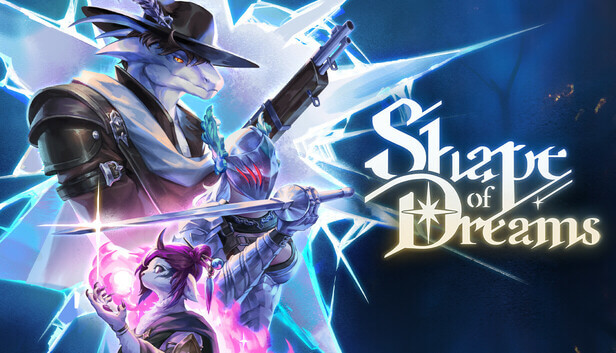
Shape of Dreams has officially crossed the one-million-units-sold milestone, according to recent reports. The achievement marks a major moment for the indie action-roguelike, underscoring its strong global reception, word-of-mouth momentum, and the continued strength of independently developed games in a competitive market.
Introduction
The indie games market has produced countless breakout hits over the past decade, but only a select few manage to cross the coveted one-million-units-sold threshold. Shape of Dreams has now joined that exclusive group.
According to recent industry reporting, the stylized action-roguelike has surpassed 1 million units sold worldwide, transforming what began as a niche indie project into a full-fledged commercial success. The milestone highlights both the game’s strong design fundamentals and the broader appetite for inventive, mechanically rich indie titles.
While the developers have remained relatively quiet compared to major publishers, the sales figure speaks for itself—and places Shape of Dreams firmly among the most successful indie releases of its generation.
What Is Shape of Dreams?
Shape of Dreams is an action-focused indie game blending fast-paced combat, procedural elements, and a distinct abstract art style. Rather than relying on traditional realism or narrative spectacle, the game leans into fluid motion, geometric visuals, and highly responsive controls.
At its core, Shape of Dreams emphasizes:
- Skill-based, reflex-driven gameplay
- Procedurally generated encounters
- Short but intense play sessions
- High replayability
This approach has made it particularly popular among players who value mechanical depth and mastery over cinematic storytelling.
The 1 Million Sales Milestone: Why It Matters
Crossing one million units sold is a significant benchmark—especially for an indie game without a massive marketing budget or a major publisher backing.
For context:
- Many indie titles struggle to break even
- Fewer still achieve sustained long-term sales
- One million units often represents financial security and creative freedom for developers
Reaching this milestone signals that Shape of Dreams has achieved global resonance, appealing not just to early adopters but to a broad audience across regions and platforms.
Industry analysts frequently cite one million sales as the point at which an indie title transitions from “successful” to “defining.”
How Shape of Dreams Built Momentum
Unlike blockbuster games that rely on massive launch campaigns, Shape of Dreams followed a more organic growth path.
1. Strong Word of Mouth
Early players praised the game’s tight controls and visual clarity, leading to strong recommendations across forums, social media, and streaming platforms.
Key drivers included:
- High player retention
- Stream-friendly gameplay loops
- Clear visual readability for spectators
As more players shared clips and experiences, the game’s visibility grew steadily rather than peaking briefly.
2. Influencer and Community Support
While not built around traditional esports, Shape of Dreams found traction among content creators who specialize in indie games, roguelikes, and challenge-driven experiences.
This exposure helped the game reach:
- Hardcore players seeking mastery
- Casual players looking for quick sessions
- Fans of minimalist and abstract aesthetics
The community also played a role in surfacing strategies, builds, and gameplay optimizations, extending the game’s lifespan.
Design Choices That Paid Off
Several design decisions contributed directly to the game’s commercial performance.
1. Accessibility Without Simplicity
Shape of Dreams manages to be approachable without being shallow. Controls are intuitive, but mastering the systems requires time and skill.
This balance allowed:
- New players to jump in quickly
- Experienced players to chase perfection
Such design is particularly effective in the roguelike genre, where difficulty can often become a barrier to entry.
2. Clear Visual Identity
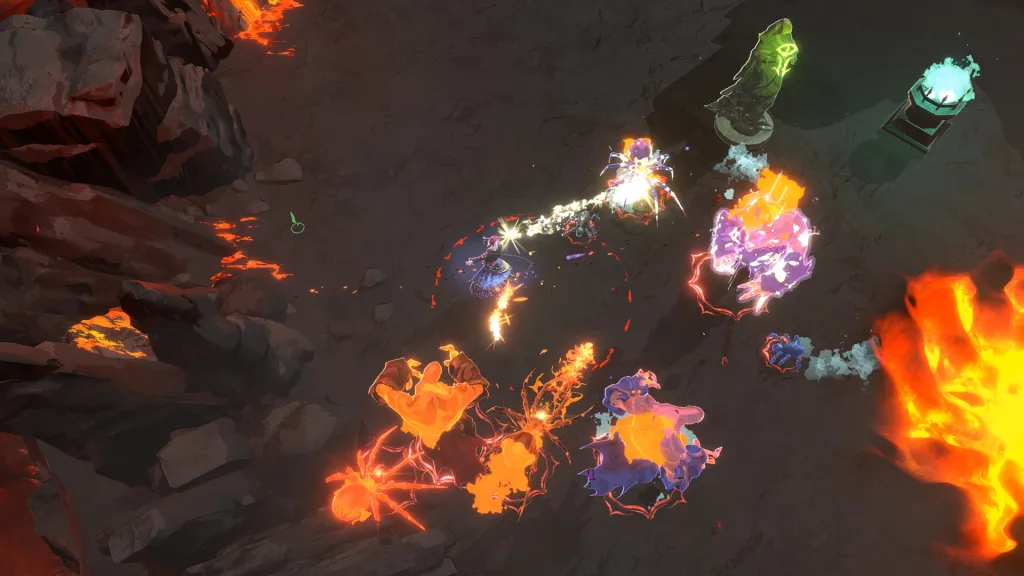
The game’s abstract visuals are not just stylistic—they serve gameplay. Shapes, colors, and motion convey critical information instantly, reducing clutter and cognitive load.
In a genre often criticized for visual overload, Shape of Dreams stands out for clarity.
3. Replayability as a Core Pillar
Procedural generation, unlockable upgrades, and escalating difficulty ensure that no two runs feel identical. This replayability is a major factor in driving long-term sales rather than one-week launch spikes.
Indie Market Context: Why This Success Is Notable
The indie games landscape has become increasingly crowded. Thousands of titles launch each year across PC and console storefronts, making visibility one of the biggest challenges.
Shape of Dreams’ success is notable because it:
- Emerged without a famous IP
- Did not rely on nostalgia
- Competes in a saturated genre
Its performance suggests that mechanical excellence and clarity of vision still matter deeply to players, even in a market dominated by sequels and live-service models.
Platform Reach and Distribution
While specific platform breakdowns have not been publicly disclosed, Shape of Dreams is understood to have performed strongly on PC, with additional traction on consoles following later releases or updates.
Key factors influencing its reach include:
- Digital-only distribution
- Frequent updates and patches
- Ongoing discoverability via storefront algorithms
Indie titles that maintain visibility over time—rather than fading after launch—are far more likely to reach long-term milestones like one million sales.
The Role of Updates and Post-Launch Support
Post-launch support played a critical role in sustaining interest.
Players responded positively to:
- Balance updates
- Quality-of-life improvements
- Performance optimizations
Rather than reinventing the game, updates focused on refining what already worked. This approach preserved the core identity while improving player experience.
Consistent communication—even if limited—helped build trust between developers and the community.
What This Means for the Developers
Surpassing one million units sold can be transformative for an indie development team.
Potential impacts include:
- Financial stability for future projects
- Freedom to experiment creatively
- Increased publisher or platform interest
While the developers behind Shape of Dreams have not announced their next project, the milestone gives them leverage and flexibility rarely afforded to small teams.
Many industry veterans note that such success often leads to either a more ambitious sequel or a completely new concept backed by greater resources.
Broader Lessons for Indie Developers
Shape of Dreams’ success offers several lessons for other indie teams:
- Focus on mechanical excellence over scope
- Build for replayability and clarity
- Embrace niche appeal rather than mass-market imitation
- Support the game post-launch
The game demonstrates that polished execution can outweigh budget size in determining long-term success.
Player Reception and Critical Standing
While sales figures tell one story, player sentiment tells another. Shape of Dreams has maintained a strong reputation among its audience, often cited as:
- “Addictive”
- “Elegant”
- “Deceptively deep”
Critical coverage has frequently highlighted the game as an example of how abstract design can coexist with satisfying gameplay.
This alignment between critics and players is rare—and often a sign of lasting appeal.
Why the One Million Mark Isn’t the End
Reaching one million units sold is a milestone, not a finish line.
For Shape of Dreams, future opportunities may include:
- Expanded platform availability
- Physical editions
- Potential sequel or spin-off
Games that reach this level often continue selling steadily for years, especially if they remain relevant within their genre.
Conclusion
Shape of Dreams surpassing one million units sold is a major achievement—not just for its developers, but for the indie games ecosystem as a whole. The milestone reinforces the idea that originality, clarity, and mechanical depth can still break through in an increasingly crowded market.
Without relying on blockbuster budgets or aggressive marketing, Shape of Dreams carved out a space through quality and consistency. Its success serves as both inspiration and proof that the indie space remains fertile ground for innovation.
As the industry continues to evolve, Shape of Dreams stands as a reminder that great ideas—executed well—can still reach a global audience.
Key Highlights
- Shape of Dreams surpasses 1 million units sold worldwide
- The game achieved success through organic growth and word of mouth
- Strong design, replayability, and clarity drove long-term sales
- Milestone marks a major achievement for indie development
- Success opens doors for future projects and expansion