


AI
Inside Bee: Amazon’s AI Wearable Built Around Memory
In simple terms, Bee is an AI-powered wearable backed by Amazon that listens, understands conversations, and turns daily interactions into searchable, useful insights using artificial intelligence. AI wearables are moving beyond fitness tracking and notifications. The latest wave focuses on understanding human conversations, context, and intent. Bee is part of that shift. Bee is an […]
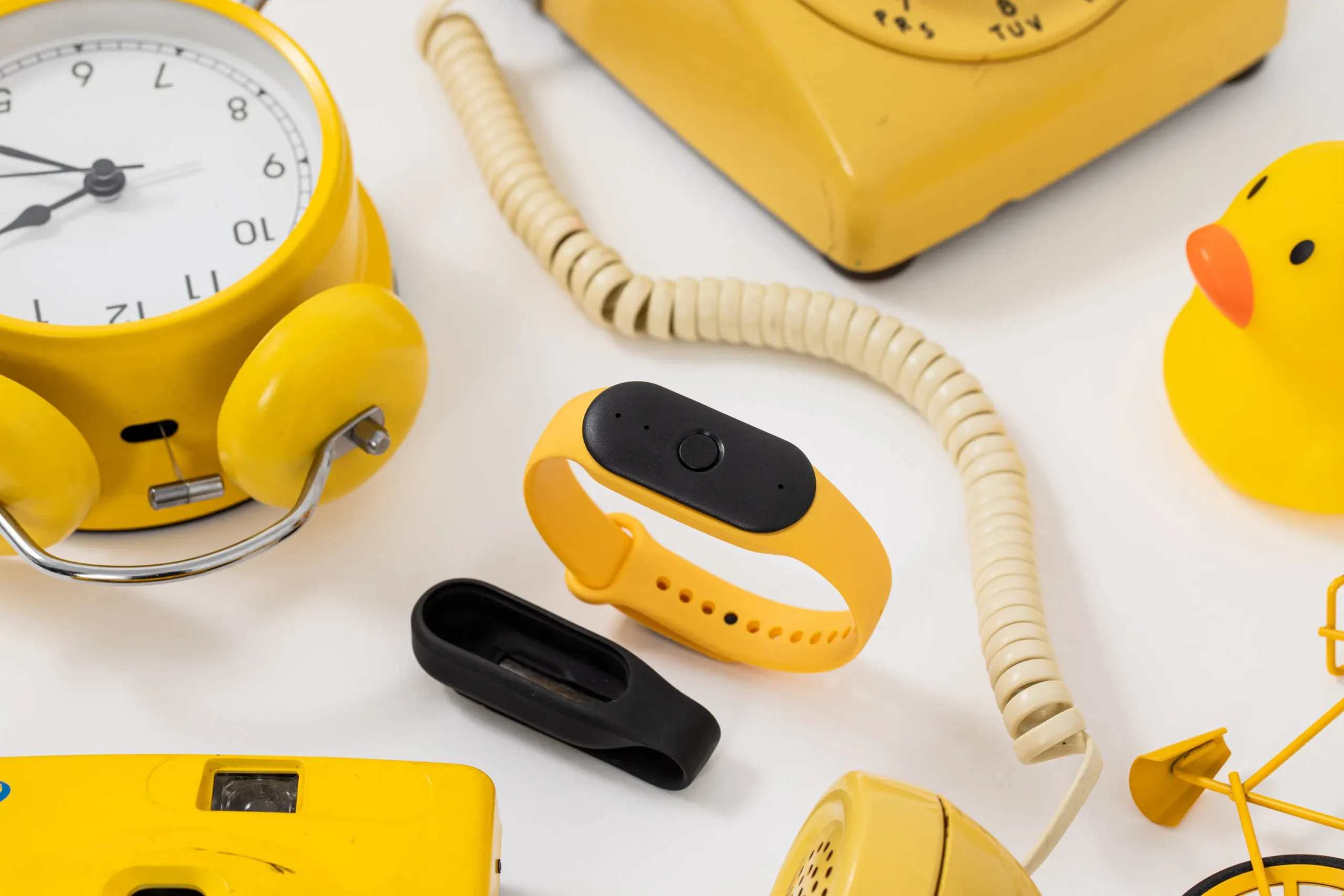
In simple terms, Bee is an AI-powered wearable backed by Amazon that listens, understands conversations, and turns daily interactions into searchable, useful insights using artificial intelligence.
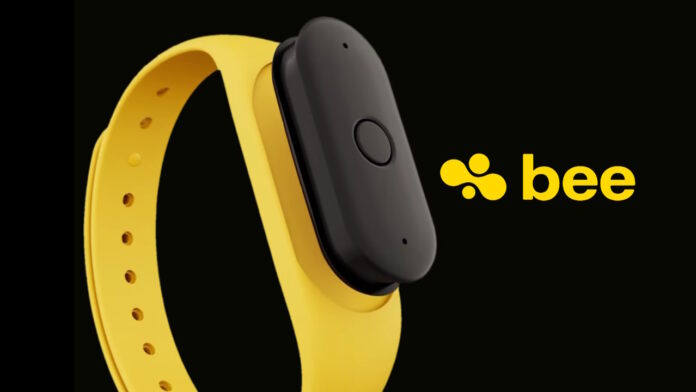
AI wearables are moving beyond fitness tracking and notifications. The latest wave focuses on understanding human conversations, context, and intent. Bee is part of that shift.
Bee is an AI wearable designed to stay with the user throughout the day, quietly listening, processing conversations, and creating a personal knowledge layer. Instead of asking users to type notes or remember details, the device aims to capture information automatically and make it accessible later.
This hands-on review explores how Bee works in real-world conditions, what makes it different from other AI devices, and why Amazon’s interest in this category signals a broader shift in consumer technology.
Why This Matters for Startups & Founders in 2026
The rise of AI wearables is not about hardware alone. It reflects a deeper change in how people interact with technology.
For founders, Bee represents a new interface layer. Voice and passive data capture are becoming as important as screens and keyboards. Products that integrate into daily life without friction tend to scale faster and build stronger user loyalty.
There is also a cost and efficiency angle. Founders, operators, and professionals spend significant time in meetings, calls, and informal discussions. Tools like Bee promise to reduce cognitive load by remembering details, summarizing conversations, and surfacing insights automatically.
The growing interest in always-on AI assistants shows why many startups are rethinking productivity, knowledge management, and personal analytics in 2026.
What Is Bee and How It Works
Bee is a compact wearable designed to be clipped or worn discreetly. It does not have a traditional screen. Instead, it relies on microphones, cloud-based AI models, and a companion app.
The core idea is simple. Bee listens to conversations throughout the day, processes them using AI, and stores structured insights that users can search later. This can include names, decisions, reminders, or ideas mentioned in passing.
Unlike traditional voice assistants, Bee is not built around commands. It works passively. The user does not need to say a wake word or ask specific questions at the moment. The interaction happens later, when the user queries their personal timeline or knowledge base.
Amazon’s involvement brings scale, cloud infrastructure, and AI expertise into the product’s development and distribution strategy.
Hands-On Experience: Wearing Bee in Daily Life
Using Bee feels different from using a smartwatch or earbuds. Once clipped on, it fades into the background. There are no frequent notifications, vibrations, or visual distractions.
During meetings, Bee captures conversations without requiring manual input. In informal settings, such as brainstorming sessions or casual discussions, it continues to collect context. This passive nature is central to its design philosophy.
After a full day of use, the companion app becomes the primary interface. Conversations are summarized into readable insights rather than raw transcripts. Users can search for topics, people, or moments.
The accuracy of summaries depends on audio clarity and environment. In quiet indoor settings, results are noticeably better. In noisy environments, the system still captures context but may miss finer details.
How Bee Uses Artificial Intelligence
Bee relies heavily on natural language understanding and contextual AI models. Instead of focusing on word-by-word transcription, it prioritizes meaning.
The system identifies key topics, decisions, and follow-ups. Over time, it learns user preferences, recurring contacts, and common themes. This allows it to surface relevant information more quickly.
Amazon’s cloud ecosystem plays a role here. The processing happens off-device, enabling more advanced models than what could run locally on a small wearable. This approach improves intelligence but raises questions around data handling and privacy.
Privacy, Control, and Trust
Any device that listens continuously raises understandable concerns. Bee addresses this through a combination of user controls and transparency features.
Users can pause listening at any time. Conversations can be deleted manually. Certain locations or contexts can be excluded from recording. The device also provides clear indicators when it is actively capturing audio.
Amazon’s involvement increases scrutiny. Trust will depend on how clearly data usage policies are communicated and enforced. For Bee to succeed at scale, users must feel confident that their conversations are secure and not used beyond their control.
Bee vs Traditional Voice Assistants
Bee is not a replacement for smart speakers or phone-based assistants. It serves a different purpose.
Traditional assistants respond to commands in real time. Bee focuses on memory and reflection. It does not aim to answer questions immediately but to help users recall and understand information later.
This distinction positions Bee closer to a personal knowledge companion rather than a task executor. For professionals and founders, this difference is significant.
Comparison Table: Bee and Other AI Interaction Models
| Feature | Bee AI Wearable | Smart Speakers | Smartphone Assistants |
|---|---|---|---|
| Always-on listening | Yes | Limited | Limited |
| Passive data capture | Yes | No | No |
| Focus on memory | High | Low | Medium |
| Screen-free design | Yes | No | No |
| Contextual summaries | Yes | No | Partial |
Real-World Use Cases Emerging in Early Adoption
Bee shows clear potential in professional environments. Founders can use it to track investor conversations, strategy discussions, and informal decisions without relying on manual notes.
In creative fields, it helps capture spontaneous ideas. In consulting or sales, it provides a way to recall client discussions accurately.
The device is less suited for highly confidential or regulated environments unless strict controls are applied. Adoption will vary depending on industry norms and privacy expectations.
GEO – Global Relevance
AI wearables like Bee are gaining attention across major markets including the USA, UK, UAE, Germany, Australia, and France. These regions share common trends in AI adoption, remote work, and productivity tools. Regulatory scrutiny around data and privacy also follows similar patterns, making Bee’s approach relevant beyond a single country. As global professionals seek frictionless AI tools, devices like Bee fit into a broader international shift toward ambient computing.
Key Things to Know
Bee is designed as a passive AI companion rather than an active assistant.
The device prioritizes understanding over transcription.
Amazon’s backing gives Bee access to advanced AI infrastructure.
Privacy controls are central to user trust and adoption.
The product targets professionals, founders, and knowledge workers.
Always-on AI wearables represent a growing category in consumer tech.
What Happens Next for AI Wearables
Over the next 6 to 12 months, AI wearables are expected to become more specialized. Instead of one-size-fits-all assistants, devices will focus on specific problems such as memory, health, or collaboration.
Bee’s success will depend on refining accuracy, building trust, and integrating with existing productivity tools. Partnerships with enterprise software and calendars could significantly expand its usefulness.
For startups, this trend signals new opportunities in ambient AI, voice intelligence, and context-aware computing.
Final Takeaway
Bee shows how AI wearables are evolving beyond novelty into practical tools. By focusing on memory and context, it offers a new way to interact with information. Amazon’s involvement signals confidence in this direction, but long-term success will depend on privacy, trust, and real-world value.
FAQ
What is Bee AI wearable used for?
Bee is used to capture conversations, summarize them, and help users recall information later through AI-powered insights.
Does Bee record everything all the time?
Bee listens passively but includes controls to pause recording, exclude contexts, and delete data.
Is Bee a replacement for Alexa or Siri?
No. Bee focuses on memory and reflection rather than real-time command-based assistance.
Who is Bee best suited for?
Bee is best suited for founders, professionals, and knowledge workers who want to reduce mental load and improve recall.