
Mobility
The E-Bike Revolution: How Sustainable Mobility is Redefining Transportation
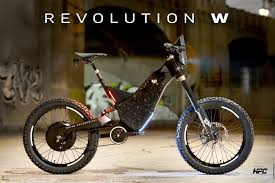
The global e-bike market is riding a wave of transformation, with forecasts projecting its value to surge from USD 59.57 billion in 2025 to an impressive USD 109.98 billion by 2034. Registering a CAGR of 7.05%, this growth is a direct reflection of the world’s mounting demand for sustainable, cost-efficient, and health-conscious commuting solutions. Far from being just another two-wheeled innovation, e-bikes are reshaping the future of urban mobility, logistics, tourism, and lifestyle trends.
The Rise of the E-Bike: A New Era of Transportation
Electric bicycles have moved far beyond being niche products. Today, e-bikes represent a global movement that combines technology, sustainability, and convenience. Equipped with electric motors and rechargeable batteries, these bikes are available in pedal-assist (pedelec) and throttle-based models, offering versatility for city commuting, leisure, delivery, and sports.
This shift is fueled by:
- Urban congestion and the push for green mobility
- Rising fuel prices and commuting costs
- Rapid strides in battery technology
- Government-backed subsidies and cycling infrastructure
- Lifestyle-driven demand for healthier travel options
In short, e-bikes bridge the gap between traditional cycling and motorized transport, offering an ideal solution for short-to-medium trips while also addressing environmental concerns.
Why the World is Embracing E-Bikes
Government Support and Policy Shifts
Across Asia, Europe, and North America, governments are incentivizing e-bike purchases through subsidies, rebates, and tax deductions. Simultaneously, cities are investing in dedicated bike lanes, charging points, and shared bike programs, embedding e-bikes into the very fabric of urban mobility.
Economic Relief Amid Rising Fuel Costs
As oil prices remain volatile, commuters find e-bikes to be a pocket-friendly alternative. They cut down travel costs significantly while offering flexibility in congested metropolitan areas.
Battery Innovation Driving Efficiency
The emergence of high-performance lithium-ion and solid-state batteries is a game-changer. These innovations are making e-bikes lighter, faster, and more durable, extending range and improving charging efficiency.
Logistics and Last-Mile Deliveries
E-commerce growth has made cargo e-bikes indispensable for delivery companies. They provide faster, cleaner, and more cost-effective city logistics solutions, particularly in dense urban centers.
Health Meets Convenience
Unlike cars and motorcycles, e-bikes allow riders to combine exercise with transportation. This hybrid appeal has made them especially popular among urban dwellers seeking both wellness and efficiency.
Breaking Down the Market: A Deep Dive
Product Types
- Pedelecs (Pedal-Assist) lead the market, offering efficiency and aligning with global cycling regulations.
- Speed Pedelecs are the fastest-growing, attracting commuters seeking longer distances at higher speeds.
Drive Mechanisms
- Hub Motors dominate due to affordability and ease of integration.
- Mid-Drive Motors are rising rapidly, prized for better balance, torque, and performance.
Battery Technologies
- Lithium-Ion Batteries hold the lion’s share today, balancing power with durability.
- Solid-State Batteries are set to define the future, offering greater safety, efficiency, and range.
E-Bike Classes
- Class I (pedal-assist up to 20 mph) currently dominates, ideal for everyday commuting.
- Class III (pedal-assist up to 28 mph) is the fastest-growing, favored by performance-oriented users.
Power Output Segments
- 250W–500W e-bikes are most common, suited for daily city commuting.
- Above 500W models are on the rise, powering cargo bikes and off-road vehicles.
Applications
- Urban Commuting is the largest segment, reflecting daily use in bustling cities.
- Cargo & Utility E-Bikes are expanding rapidly, reshaping logistics and delivery ecosystems.
End Users
- Individual Consumers make up the majority, drawn to e-bikes for commuting and recreation.
- Commercial Enterprises are catching up fast, using e-bikes for deliveries, rentals, and guided tours.
Sales Channels
- Offline Retail dominates as many consumers prefer physical testing before purchase.
- Online Retail is expanding quickly, offering direct-to-consumer models and wider product availability.
Regional Market Insights
Asia-Pacific: The Global Leader
China continues to dominate production and adoption, supported by strong manufacturing capabilities, dense cities, and favorable government incentives. Japan and India are also witnessing rapid adoption.
Europe: The Fastest-Growing Market
With its cycling culture, stringent emission policies, and sustainability goals, Europe—especially Germany, the Netherlands, and France—is leading the way in advanced adoption.
North America: Emerging Strong
Growing urbanization, rising fuel costs, and the popularity of recreational cycling are fueling adoption in the U.S. and Canada. Investments in bike infrastructure are reinforcing growth.
Latin America & the Middle East: The Next Frontier
Though still in early stages, these regions are showing increased interest in e-bikes, driven by urbanization, climate concerns, and consumer awareness.
What the Future Holds: E-Bikes Beyond 2025
The decade ahead promises radical innovations and mainstream integration:
- Smart Connectivity: IoT-enabled e-bikes with real-time GPS, AI-assisted navigation, and fitness tracking.
- Sustainable Manufacturing: Eco-friendly materials and recyclable components gaining momentum.
- Rental and Subscription Models: Growth of bike-sharing programs and pay-per-use platforms in urban hubs.
- Adventure and Performance Models: Expansion into trekking, mountain biking, and long-distance touring segments.
By 2034, e-bikes will be a cornerstone of global mobility ecosystems, reducing congestion, cutting emissions, and providing a balanced mix of technology, convenience, and sustainability.
Final WordThe e-bike revolution is no longer on the horizon—it is already here. With governments supporting greener alternatives, businesses innovating in logistics and rentals, and consumers embracing sustainable lifestyles, e-bikes are redefining how the world moves. From urban commuting to last-mile deliveries and recreational adventures, their role in shaping the transportation future is undeniable.