


Gaming
“Ubisoft Shuts Down Halifax Studio Just Weeks After Workers Vote to Unionize”
Ubisoft has officially shut down its Halifax-based studio only weeks after employees voted to unionize, according to multiple reports. The decision has sparked concern across the game industry, intensifying debate around labor rights, unionization efforts, and corporate restructuring at major publishers. Introduction Ubisoft has confirmed the closure of its Halifax studio in Canada, a move […]

Ubisoft has officially shut down its Halifax-based studio only weeks after employees voted to unionize, according to multiple reports. The decision has sparked concern across the game industry, intensifying debate around labor rights, unionization efforts, and corporate restructuring at major publishers.
Introduction
Ubisoft has confirmed the closure of its Halifax studio in Canada, a move that comes shortly after workers at the studio voted in favor of unionizing. The timing of the shutdown has drawn scrutiny from labor advocates and industry observers, who see it as a critical moment for unionization efforts within the global video game industry.
The studio, which operated under Ubisoft’s Red Storm Entertainment group, was relatively small but played a role in supporting larger Ubisoft projects. Its closure affects dozens of developers and adds to a growing list of layoffs and studio shutdowns across the sector.
What Happened at Ubisoft Halifax?
Ubisoft Halifax employees voted to unionize earlier this year, joining a broader movement of game developers seeking collective bargaining rights. The union vote was seen as a milestone, particularly in Canada, where unionization in game development remains rare.
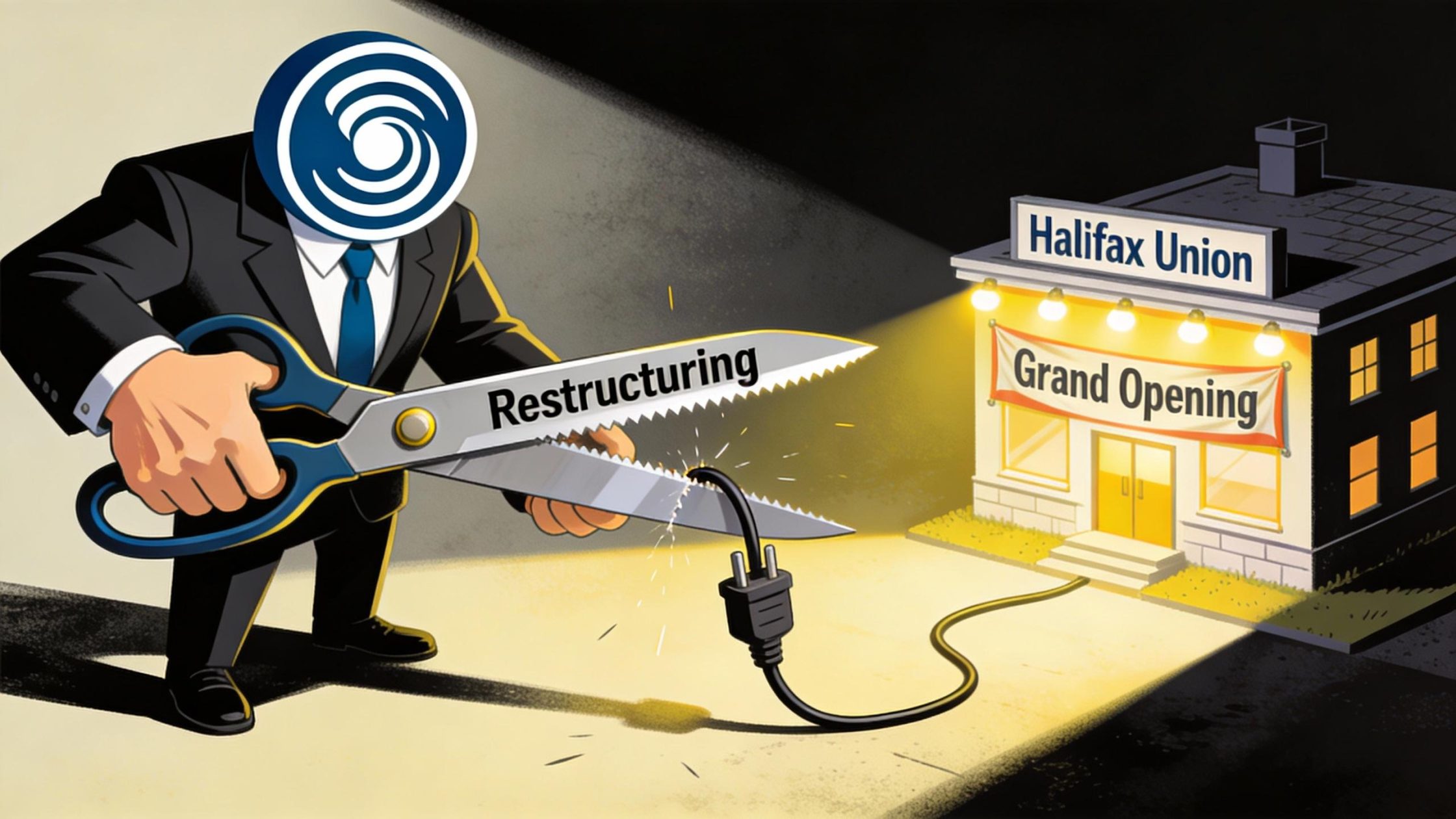
Just weeks after the vote, Ubisoft announced it would be closing the Halifax studio as part of what it described as a broader restructuring effort. The company stated that the decision was unrelated to the union vote, citing strategic and operational considerations.
However, the close timing has fueled skepticism among workers and labor groups.
Ubisoft’s Official Position
Ubisoft has said the closure is part of ongoing efforts to streamline operations and focus resources on priority projects and studios. The company has emphasized that it continues to invest in other Canadian locations, including Montreal and Toronto, which remain central to its global development strategy.
According to Ubisoft, affected employees were informed and offered support, including severance and assistance with internal transfers where possible.
The company has not acknowledged any connection between the unionization vote and the studio’s closure.
Union Response and Labor Concerns
Labor advocates argue that the timing of the shutdown sends a chilling message to workers across the industry.
Representatives associated with the unionization effort have expressed concern that:
- The closure could discourage future organizing efforts
- It undermines trust between workers and management
- It raises questions about retaliation, even if unproven
While proving a direct link between unionization and closure can be legally complex, the situation has amplified calls for stronger labor protections in creative and technology sectors.
A Broader Pattern in the Games Industry
The Halifax closure occurs amid widespread restructuring across the video game industry. Over the past two years, publishers and studios have announced thousands of layoffs as rising development costs, shifting market conditions, and post-pandemic corrections take hold.
Major trends impacting the industry include:
- Rising AAA development budgets
- Increased pressure from investors to cut costs
- Consolidation of studios and support teams
- Growing interest in unionization as job security declines
Ubisoft itself has undergone multiple rounds of restructuring, project cancellations, and workforce reductions globally.
Canada’s Role in the Unionization Movement
Canada has emerged as an important battleground for labor organization in game development. Cities like Montreal, Vancouver, and Toronto host major studios employing thousands of developers.
The Halifax vote was notable because it demonstrated that unionization efforts are extending beyond large flagship studios into smaller satellite teams. That made the closure particularly symbolic.
Industry analysts note that how companies respond to early unionization attempts could shape labor relations in games for years to come.
Legal and Regulatory Implications
At present, there is no public indication of legal action directly tied to the Halifax closure. However, labor experts say the case could draw attention from regulators or prompt calls for clearer safeguards around organizing rights.
In many jurisdictions, companies are allowed to close studios for legitimate business reasons, even if unionization is underway. The challenge lies in proving intent, which requires extensive documentation and legal review.
Regardless of legal outcomes, perception alone can influence corporate reputation.
Impact on Ubisoft’s Reputation
Ubisoft has faced a series of reputational challenges in recent years, ranging from workplace culture issues to delayed releases and financial pressures.
The Halifax closure adds another layer of scrutiny, particularly as the company seeks to stabilize operations and rebuild trust with employees.
For a publisher that relies heavily on creative talent, maintaining confidence among developers is increasingly critical.
What This Means for Game Developers
For developers watching from the sidelines, the situation reinforces both the risks and urgency of organizing.
Key takeaways include:
- Unionization efforts are gaining visibility
- Corporate responses can be swift and disruptive
- Job security remains fragile across the industry
Some labor advocates argue that these pressures make collective bargaining more necessary, not less.
Conclusion
Ubisoft’s decision to close its Halifax studio just weeks after workers voted to unionize has become a flashpoint in the ongoing debate over labor rights in the video game industry. While the company maintains that the closure is unrelated, the timing has intensified scrutiny and concern among developers and organizers.
As unionization efforts continue to grow globally, how major publishers respond to early victories will play a defining role in shaping the future of work in game development.
Key Highlights
- Ubisoft closes Halifax studio weeks after union vote
- Company cites restructuring, denies link to unionization
- Labor groups raise concerns over timing and worker rights
- Closure impacts dozens of Canadian developers
- Case highlights growing union movement in gaming