Blockchain
What is a DAO in crypto and how does it work?
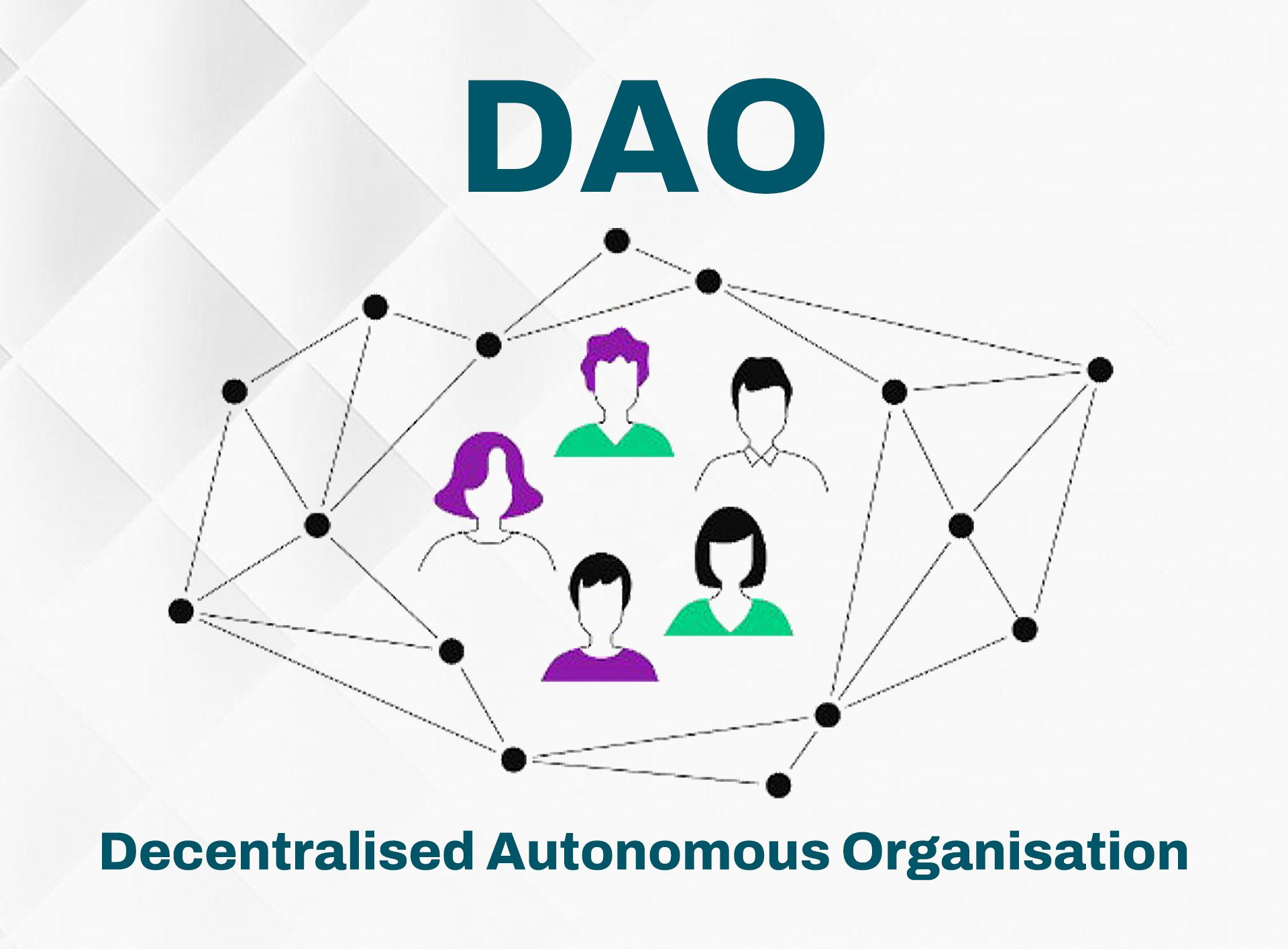
A Decentralized Autonomous Organization, or DAO, is a community that coordinates with code instead of a traditional hierarchy. Smart contracts set the rules, hold shared funds, and execute approved actions. Anyone who holds the project’s governance tokens can propose ideas or vote on initiatives. The aim is simple: align incentives so that people who care about the network can guide it together.
At its core, a DAO replaces informal promises with programmable agreements. When a proposal passes, the smart contract carries it out according to predefined logic. Treasury transfers, parameter changes, or grants are executed without a manager pressing a button. This design reduces reliance on trusted intermediaries and lets contributors across the world collaborate with a shared source of truth.
To place the term in context, many newcomers ask what is a DAO when they first see communities run by code. The answer is that a DAO is both a legal agnostic structure and a technical framework where the mission, rules, and funds live on a public ledger. Some DAOs plug into real-world legal entities (for example, ENS DAO via the ENS Foundation and Uniswap via the Uniswap Foundation), while others remain purely onchain (for example, Nouns DAO).
How DAOs make decisions: inside the voting mechanism
Most DAOs use token‑based governance. Each token usually grants one vote. A proposal is posted in a forum or governance portal with a clear description of the change. After a discussion period, voting opens for a fixed window and the result is tallied onchain. Quorum rules define the minimum participation required for a decision to be valid.
The process centers on transparency. Proposals, debate, and outcomes are visible to all participants. Delegation lets busy holders empower trusted contributors to vote on their behalf. In advanced systems, safeguards such as timelocks, grace periods, or multi‑stage approvals help protect the treasury from rushed changes.
Newcomers often search what does DAO stand for before they cast a vote. It stands for Decentralized Autonomous Organization. “Decentralized” refers to the wide distribution of decision power. “Autonomous” points to rules that execute through code. “Organization” reflects the shared mission that binds members together.
Keep the rules simple. One token equals one vote can give too much power to large token holders (the so-called “whales”), or make little sense if fewer than half of the members vote. To reduce this, some DAOs add clear limits on voter power, give extra weight to active contributors, or use a two-step flow where token holders approve ideas and a small elected team executes them. Whatever the setup, proposals should be easy to read, and voting should take only a few clicks.
If you want to join a DAO and route your tokens through a centralized exchange rather than your own wallet, choose reputable platforms like Coinbase. Before you start, it’s wise to check Сoinbase reviews and review the exchange’s history and safeguards so you know how to store tokens and vote.
The pros and cons of decentralized organizations
DAOs offer real advantages, yet they are not a cure‑all. Below are common benefits and risks to weigh before joining or launching one:
- Transparency and auditability. Treasury balances, votes, and rules are public on the blockchain, which fosters accountability.
- Open participation. Anyone with tokens can propose or vote, so ideas can surface from anywhere, not only from insiders.
- Aligned incentives. Contributors who help the project tend to benefit as the ecosystem grows, which encourages long‑term thinking.
- Speed and flexibility. Smart contracts can execute decisions quickly once a vote passes, and parameters can be adjusted through governance.
- Regulatory uncertainty. The status of a DAO can vary by jurisdiction. Teams should seek counsel to understand obligations and risks.
- Voter apathy and capture. Low turnout can let a few addresses decide outcomes. Concentrated token holdings may tilt control.
- Security considerations. Bugs in governance contracts or treasury tooling can cause losses. Independent audits and careful rollout are vital.
For many readers, DAO meaning goes beyond a strict definition. In practice, it describes a living community that blends code and culture. Healthy DAOs communicate clearly, maintain thorough documentation, and invest in onboarding to help newcomers contribute. They also adopt risk controls such as multi‑signature treasuries, staged funding, and emergency pause switches that limit damage if something goes wrong.