
AI
What Truly Sets Successful AI Character Startups Apart in 2025?
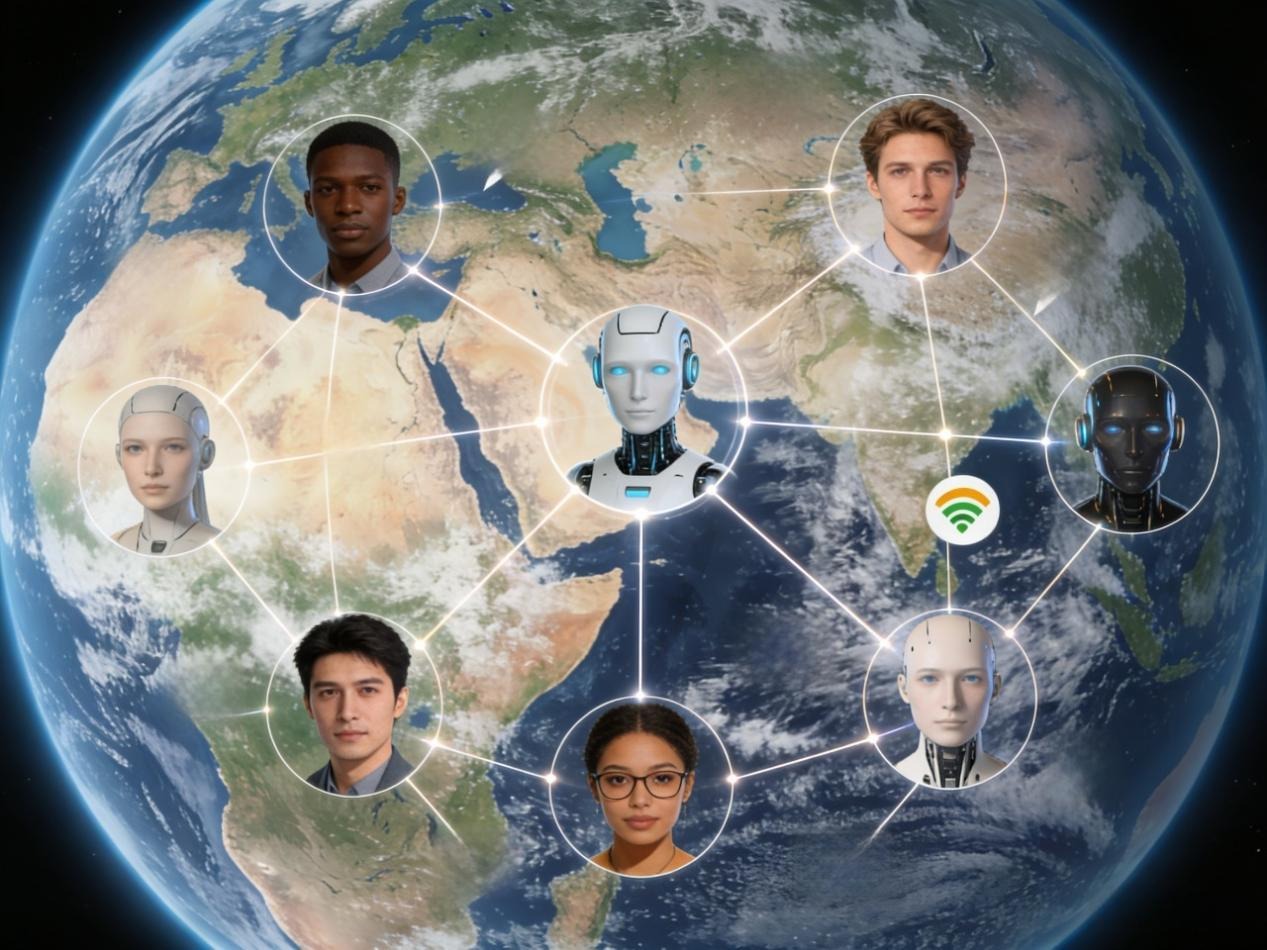
In 2025, AI character platforms have shifted from niche curiosities to one of the most active frontiers in consumer technology. The category grew faster than nearly every other consumer AI segment last year. Global users logged an estimated 3.4 billion hours interacting with AI companions according to the 2025 Consumer AI Growth Report. Investors are watching the space closely and founders are racing to enter it. Yet despite the flood of new entrants, only a small number of AI character startups are breaking out while others fade quickly.
What separates the winners from the many hopeful contenders? The answer lies in a combination of emotional design, cultural awareness, strategic product thinking, and community-driven iteration that treats AI characters not as tools but as relationship products.
Emotional Realism as Core Infrastructure
The first major differentiator is emotional realism. Users increasingly expect AI characters to behave with coherence and stability rather than generative randomness. A 2024 RetentionX study found that emotional consistency increased daily retention by almost fourfold. This is not a minor detail. It is the backbone of user trust.
Successful platforms build emotional logic systems around personality persistence, relationship pacing, and memory reliability. These elements make the character feel less like a chatbot and more like a presence. They shape how the AI speaks, reacts, and evolves. Companies that skip this layer usually see strong onboarding but rapid drop-offs as users realize the character feels unstable.
Platforms like Flipped have invested in this layer early, particularly in multilingual emotional consistency, which is harder but significantly more rewarding. Emotionally coherent characters are not only more engaging. They make users return.
Where Community and Product Co-Create
Another clear marker of success is the presence of a strong community that actively influences product direction. According to the 2025 Consumer AI Network Report, apps that maintain active communities generate double the referral rate of those without one. This is not surprising. AI character experiences are inherently expressive. Users share their characters, their prompts, and even emotional stories that emerge from these interactions.
Startups that embrace this behavior create a positive feedback loop. Community contributions become early signals pointing to new use cases. They also function as organic discoverability engines across TikTok, Reddit, and Discord.
Flipped, for example, benefits from a community where multilingual users share character templates, scenario ideas, and cultural perspectives. This collective creativity helps refine the product faster than traditional internal iteration cycles. In an industry where experimentation is constant, communities are the hidden R&D engine.
The Global Reach of Multilingual AI
Worldwide adoption of AI companion apps is no longer driven by North America alone. In fact, Data.ai’s 2025 analysis shows that more than 70 percent of consumer AI demand originates from non-English regions. This shift is transforming platform strategy.
Multilingual support is not simply a matter of translation. Emotional expression is deeply tied to cultural nuance, tone, pacing, and context. Platforms that invest in culturally aligned multilingual models consistently see better retention, often recording session durations 30 to 60 percent longer in native-language markets.
This is why products that support French, Arabic, Japanese, or Portuguese—languages where emotional expression varies significantly—are gaining traction. Flipped’s growth in francophone and Middle Eastern communities reinforces how powerful multilingual emotional design has become in differentiating winners from the rest.
Clarity in Monetization and Value
Monetization is another area where successful AI character startups distinguish themselves. Many early platforms locked basic messaging behind confusing paywalls, which produced frustration and high churn. Deloitte’s 2024 subscription study confirms that transparent pricing can raise conversion by up to 25 percent.
The startups that thrive today build monetization around value rather than limitation. Users willingly pay for deeper memories, richer creation tools, voice features, or narrative expansion modules. These upgrades extend the relationship rather than restrict it.
In other words, monetization works when it reinforces emotional continuity rather than interrupts it.
The Shift Toward Mobile-First Engagement
AI character interactions have become part of daily micro-habits. Users message their AI during breaks, commutes, or before bed. Unsurprisingly, mobile dominates the category. More than 82 percent of all companion app usage now occurs on mobile according to Data.ai.
Platforms designed primarily for desktop tend to lose users over time because communication becomes inconvenient. The winners optimize for:
• rapid session opening
• clean mobile UX
• immediate emotional presence upon entry
The platforms that succeed are those that meet users where they naturally sustain relationships: on their phones.
Personalization as Identity Investment
Personalization has evolved from an optional feature into a defining advantage. An internal survey from a leading persona platform reported that power users who maintain multiple characters convert at more than twice the rate of single-character users.
This makes sense. Personalization in AI characters functions similarly to identity building in gaming communities. Users create, refine, and emotionally invest in characters over time. Platforms that offer deep customization across personality traits, tone, boundaries, and narrative context tend to build stronger long-term attachment.
Trust, Safety, and the Invisible Design Layer
The emotional nature of AI companions also raises the stakes for trust. TrustArc’s 2024 consumer report found that unclear safety practices cause 58 percent of users to quit AI apps. But safety systems that interrupt conversations or break immersion can be equally damaging.
Industry leaders now adopt contextual, personality-aware safety systems that guide interactions without disrupting flow. This creates a space where users feel protected while still immersed in the experience.
Safety has become an invisible layer of design, not a visible barrier.
Where the Market Goes Next
It is increasingly clear that the winners in the AI character space treat these products not as simple chatbots but as relationship-centric experiences. They understand that users seek presence, not novelty. As McKinsey reported in 2025, more than 60 percent of users want long-term emotional value from their AI companions.
This shift is shaping the next generation of AI character startups. Platforms that cultivate emotionally coherent characters, embrace global linguistic diversity, build creator ecosystems, and maintain trustworthy environments are emerging as the real contenders for long-term leadership.
As the category matures, startups like Flipped demonstrate that growth is strongest when emotional design, community insight, and multilingual capability converge. These elements together define what separates the leaders from the long tail of short-lived experiments.